


Insurance Claim Roof Replacement Florida
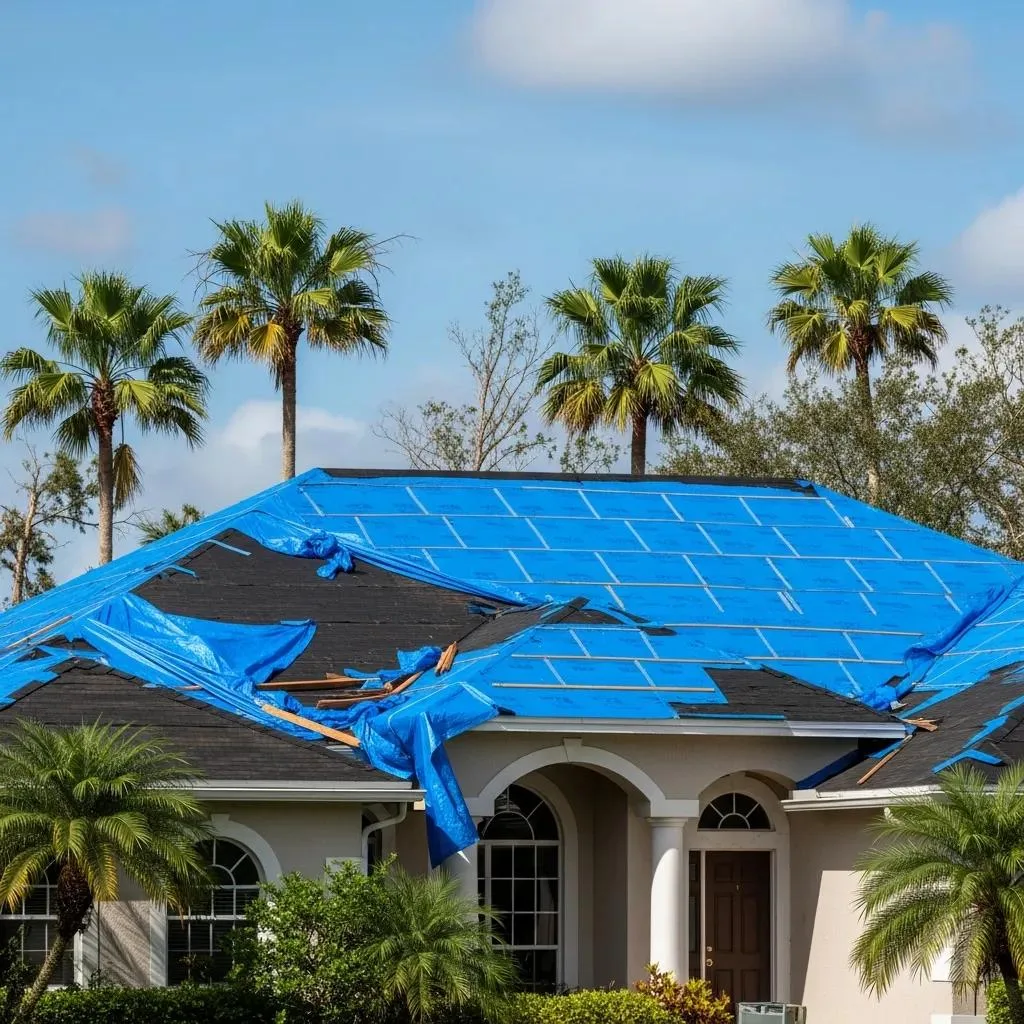
Call Now for a Free Inspection
Insurance Claim Roof Replacement Florida
Navigating the complexities of insurance claims for roof replacements in Florida can be daunting for homeowners. Understanding the nuances of roof insurance policies, the claim process, and the types of damage covered is essential for a successful claim. This article will provide a comprehensive overview of how to file an insurance claim for roof replacement in Florida, including the necessary steps and common pitfalls to avoid. Many homeowners face challenges when dealing with insurance adjusters, public adjusters, and documentation requirements, but with the right knowledge, you can streamline the process. We will explore the types of roof insurance policies available, the step-by-step claim process, common roof damage covered, and how to effectively work with insurance adjusters and public adjusters to maximize your claim.
Understanding Florida Roof Insurance Policies

Florida homeowners have access to various roof insurance policies that can significantly impact their claims. These policies typically cover specific types of damage, including storm-related incidents, but may also have exclusions that homeowners should be aware of. Understanding the details of your policy is crucial, as it dictates what damages are covered and the process for filing a claim. The Florida Office of Insurance Regulation (OIR) provides guidelines on insurer obligations and consumer rights, including timelines for claim processing under Florida Statutes §627.70131.
Key points to consider include:
- Types of Coverage Available: Policies may vary in coverage, including replacement cost value (RCV) versus actual cash value (ACV). RCV policies cover the full cost to replace the damaged roof without depreciation, while ACV policies deduct depreciation, often resulting in a depreciation holdback that is recoverable after repairs are completed.
- Common Exclusions: Many policies exclude wear and tear or damage from lack of maintenance.
- Importance of Understanding Policy Details: Knowing your policy can help you avoid surprises during the claims process and understand your rights regarding recoverable depreciation and depreciation holdbacks.
Understanding the specific terms of your policy, such as whether it covers replacement cost value (RCV) or actual cash value (ACV), is critical for managing expectations during a claim.
Replacement Cost vs. Actual Cash Value in Roof Insurance
The policy provided coverage for replacement cost value (RCV), which meant that the insured was entitled to the cost of replacing the damaged property without deduction for depreciation, provided that the insured complied with the “lower of cost or to replace Actual Cash Value (ACV).”
Calculating Actual Cash and Replacement Cost Values, 2017
Step-by-Step Roof Insurance Claim Process
Filing a roof insurance claim in Florida involves several critical steps that homeowners must follow to ensure a successful outcome. The Florida Office of Insurance Regulation (OIR) mandates that insurers acknowledge receipt of a claim within 14 days and pay or deny the claim within 90 days, as outlined in Florida Statutes §627.70131. The average timeline from claim filing to contractor start typically ranges from 3 to 8 weeks, depending on the insurer and storm severity.
- Initial Assessment of Damage: Begin by thoroughly inspecting your roof for any visible damage. Take photographs to document the condition. A professional storm damage inspection by a trusted local roofing contractor like American Masters Roofing & Restoration can identify damage that may not be immediately visible.
- Documentation Required: Gather all necessary documents, including your insurance policy, photographs of the damage, any repair estimates, and your wind mitigation report if available. A wind mitigation report can help reduce insurance premiums by 20–40% in some counties.
- Working with Insurance Adjusters: Contact your insurance company to report the claim and schedule an inspection with an insurance adjuster. Be prepared to provide all documentation and negotiate if necessary. Public adjusters can also assist homeowners in maximizing their claim payouts.
American Masters Roofing & Restoration specializes in roofing services with a focus on insurance claim roof replacement in Florida. They offer free storm damage inspections and consultations to help homeowners assess damage and understand their options.
Homeowners should be cautious about certain agreements, such as Assignments of Benefits (AOBs), which can significantly impact their control over the insurance claim process.
Florida AOBs: Impact on Roof Insurance Claims
Policies are most commonly criticized when used by emergency water damage mitigation companies, but AOBs are also used by roofing contractors, which can strip homeowners of all negotiating leverage that an insurance company would otherwise have with the contractor.
Assignments of Benefits in the Homeowner’s Insurance Market: Why Florida’s Rates Are Skyrocketing, and How to Control the Spiral, 2018
Common Roof Damage Covered by Insurance
Insurance policies typically cover several types of roof damage, which can vary based on the specific terms of the policy. Understanding what is generally covered can help homeowners prepare for the claims process.
- Storm Damage: Damage caused by hail, wind, or other severe weather events is often covered.
- Wear and Tear: While some policies may cover this, many do not, emphasizing the importance of regular maintenance.
- Accidental Damage: Damage resulting from unforeseen accidents may also be included in your coverage.
It’s also important to note that while damage may be covered, the extent of the payout might not always include upgrades to meet current building codes, especially in high-velocity hurricane zones.
Florida Roof Claims: Building Code Upgrades & Insurance Obligations
For example, if an insured needed to replace a damaged roof, the insurance company would only pay for the cost of replacing the roof with materials of like kind and quality, not for the cost of upgrading the roof to meet current building codes. The document thus delivered to him is a contract of insurance.
The Insurance Fallout Following Hurricane Andrew: Whether Insurance Companies Are Legally Obligated to Pay for Building Code Upgrades Despite the Ordinance …, 1993
Working with Insurance Adjusters
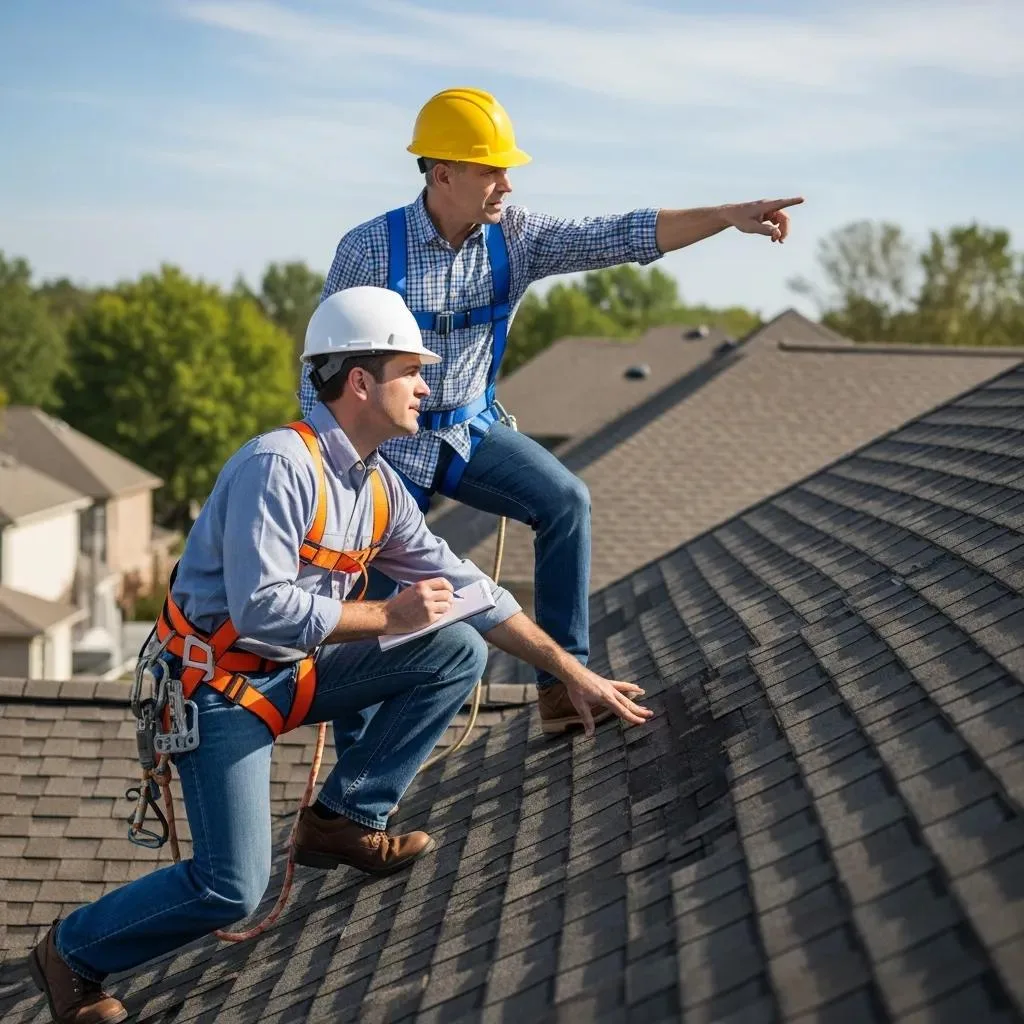
Effectively communicating with insurance adjusters is crucial for a successful claim. Adjusters play a significant role in determining the outcome of your claim, so understanding their process can be beneficial.
- Understanding Adjuster Roles: Adjusters assess the damage and determine the payout based on your policy.
- Negotiation Tips: Be prepared to negotiate and provide evidence of the damage to support your claim.
- Documentation to Provide: Ensure you have all necessary documentation ready for the adjuster to review, including your insurance policy, storm damage inspection reports, and wind mitigation report if applicable.
County-Specific Details for Florida Roof Insurance Claims
Florida’s diverse counties have specific regulations and considerations for roof replacement insurance claims, especially regarding building codes and permit requirements.
- Miami-Dade County: Located within the High-Velocity Hurricane Zone (HVHZ) under the Florida Building Code (FBC), Miami-Dade requires FBC-approved roofing materials and a Notice of Commencement (NOC) before work begins. Miami-Dade Product Control approval is mandatory for all roofing materials. Permit processing times typically range from 2 to 4 weeks. A roofing permit and a certificate of completion are required to finalize the project.
- Orange County (Orlando area): Insurance claims often involve wind mitigation credits. Homeowners with a wind mitigation report can reduce premiums by 20–40%. Permit processing times are generally 1 to 2 weeks. Roofing permits are required for roof replacements.
- Hillsborough County (Tampa area): Frequently impacted by hurricane season, Hillsborough County Building Services requires permit pulls for all roof replacements regardless of size. Permit processing times typically range from 1 to 2 weeks. Compliance with the Florida Building Code is mandatory.
Free Roof Inspection and Consultation Services
American Masters Roofing & Restoration offers free roof inspection and consultation services, which can be invaluable for homeowners navigating the insurance claim process.
- Benefits of Free Inspections: These inspections can identify damage that may not be immediately visible and provide a clear understanding of your options.
- How to Schedule a Consultation: Homeowners can easily schedule a consultation by contacting American Masters Roofing & Restoration directly.
- What to Expect During the Inspection: During the inspection, a qualified professional will assess the roof’s condition, discuss potential repair or replacement options, and explain the insurance claim process including timelines and documentation requirements.
This proactive approach not only helps in understanding the extent of the damage but also prepares homeowners for discussions with their insurance providers and insurance adjusters.
Frequently Asked Questions (FAQ)
Contact American Masters Roofing & Restoration for Expert Assistance
For trusted guidance through your Florida roof insurance claim, schedule a free storm damage inspection and consultation with American Masters Roofing & Restoration, your local licensed roofing contractor specializing in insurance claims and storm damage repairs.
Meet Our Licensed Florida Roofing & Insurance Claims Expert
This article was written by a licensed Florida roofing contractor with over 15 years of experience specializing in storm damage repairs and insurance claim navigation across Florida. [Contractor Name], [License Number Placeholder — insert real Florida DBPR CCC license here], has helped hundreds of Florida homeowners successfully navigate roof replacement insurance claims following hurricanes and severe weather events.
Reviewed by: [Name Placeholder], Licensed Florida Building Inspector (License #: [Insert Florida-licensed building inspector credential]), with expertise in post-hurricane structural assessments and insurance damage documentation.