


Understanding Shingle Lipping: Causes and Solutions
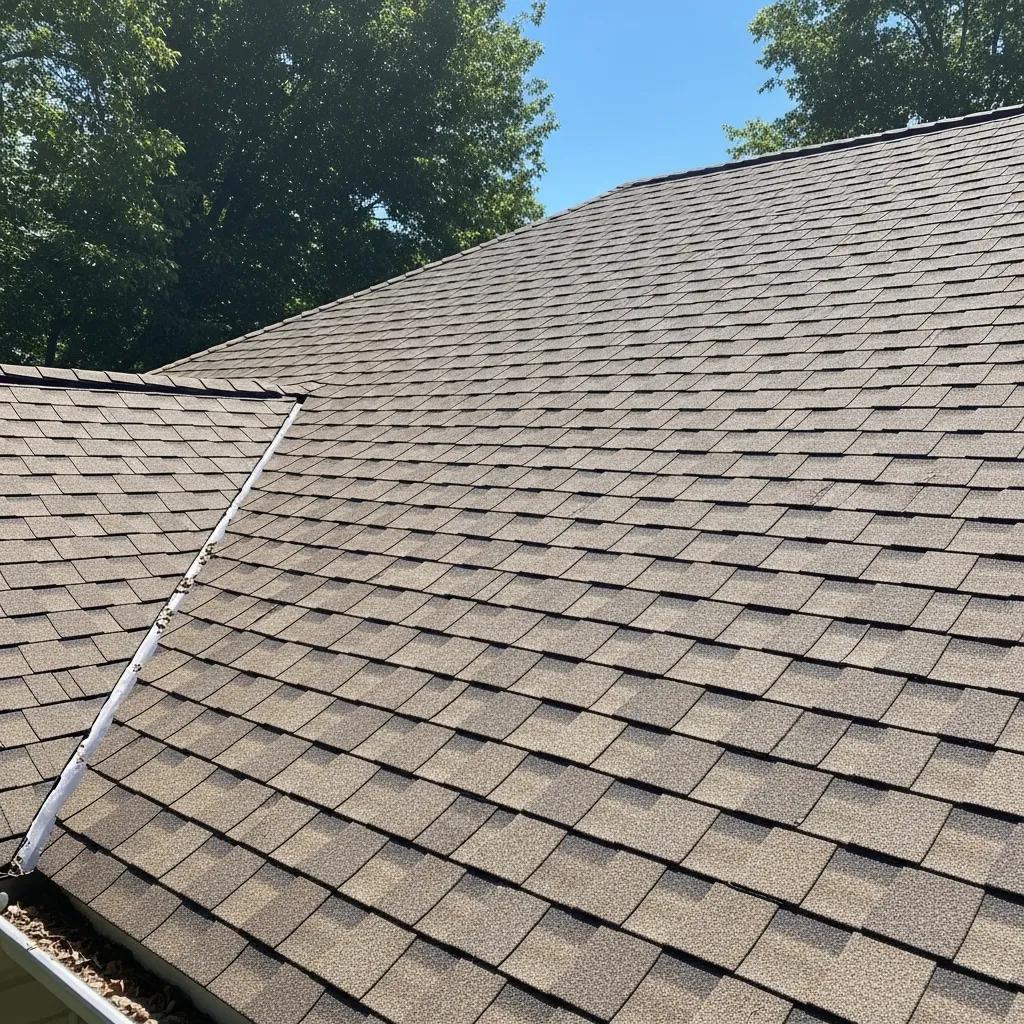
Asphalt Shingle Lipping: What Causes It, When It Fixes Itself, and How to Prevent It
Asphalt shingles are a common, cost-effective roofing choice, but many homeowners spot an issue called “lipping” or curling at the shingle edges. This guide explains why that happens, when heat and time can correct it on their own, and what you can do to prevent or fix the problem. You’ll learn the main causes, how environmental factors affect shingles, and when to call a pro for help.
Key Takeaways
- Lipping happens when roof movement, temperature swings, and moisture cause the shingle edges to lift or curl.
- Early roof settling can create uneven surfaces and gaps that lead to curling over months or years.
- Sunlight warms and softens the shingle sealant strips, which helps them lay flat and stick down again.
- Minor lipping often resolves naturally within roughly 4 to 12 weeks if the shingles get steady sunlight and warmth.
- Regular inspections catch curling early and stop small issues from turning into major damage.
- Good ventilation reduces attic heat and the chance of shingle edge lift.
- Quality installation with proper sealing greatly lowers the risk of curling problems.
- Get professional help if curling persists, you see water damage, or the roof is nearing the end of its life.
What Causes Asphalt Shingle Curling or Lipping?
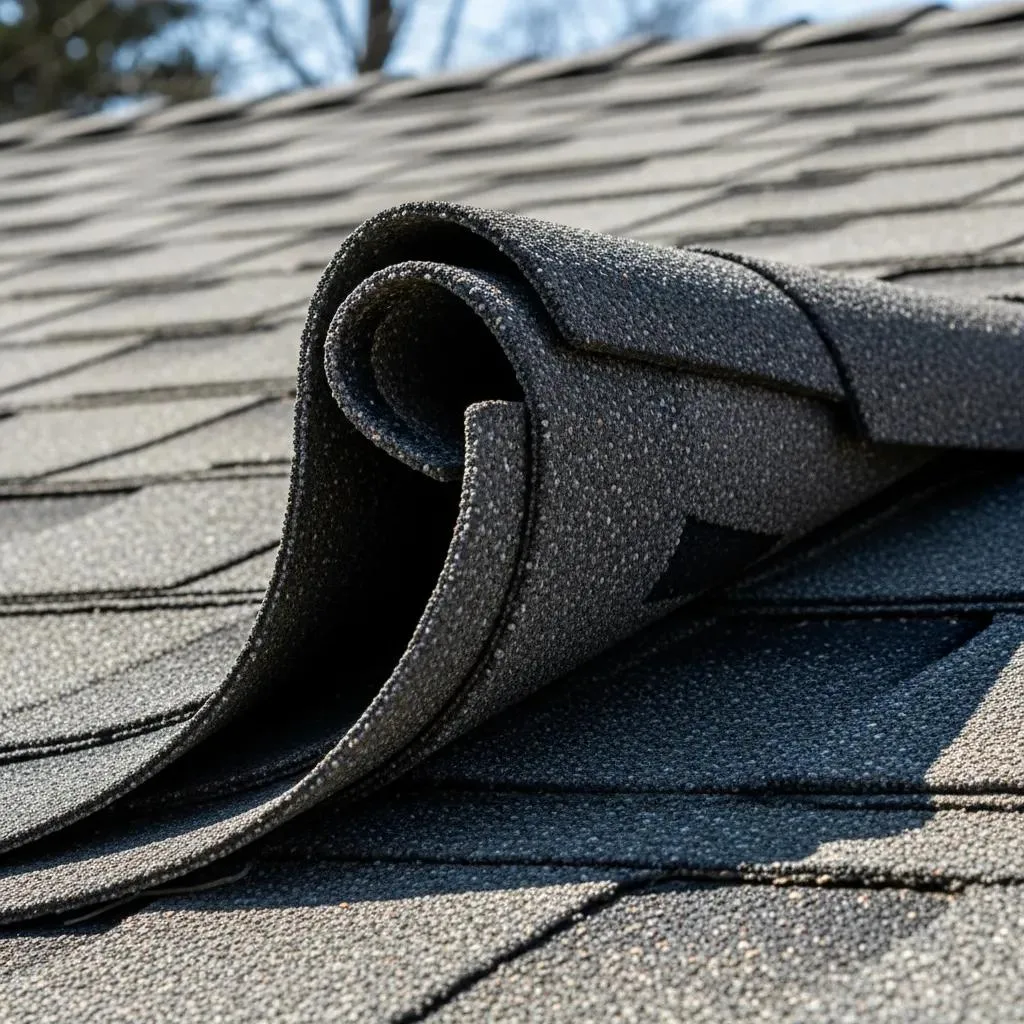
Asphalt shingle curling—commonly called “lipping” —can come from a few sources. One major factor is the roof’s initial settling, which can shift shingles and create uneven spots. Temperature swings and moisture also change shingle shape and flexibility. Recognizing these causes helps homeowners choose the right response.
How Does Initial Settling Affect Shingle Lipping?
Initial settling is the gradual adjustment of a building’s structure after construction. As the roof settles, shingles may lift at the edges or sit unevenly, which leads to lipping. Signs include gaps between shingles and an irregular roof surface. Settling can take months or even years, so keep an eye on the roof and document any changes.
What Role Does Sun Heat Play in Shingle Curling?
Sunlight and warm temperatures have a direct effect on asphalt shingles. Heat softens the adhesive sealant strips, making them tacky so the shingles can press back down and re-bond to the roof deck. When conditions are too cool or damp, that natural re-sealing may not occur and curling can persist.
Does Asphalt Shingle Lipping Go Away on Its Own?
Often, yes—minor lipping can correct itself. Warm, sunny conditions activate the sealant strips and allow shingles to flatten over time. How quickly that happens depends on the curl’s severity and local weather.
How Do Sealant Strips Activate to Flatten Shingles?
Sealant strips are designed to bond shingles together and keep water out. When they warm up, the adhesive becomes tacky and the shingles can adhere to the roof deck again. That rebonding restores the shingles’ position and helps prevent leaks.
Research highlights how material behavior and external forces interact—especially how sealant strip integrity affects long-term performance.
Asphalt Shingle Deformation & Wind Load Failure Mechanisms
Studies of shingle deformation and progressive failure under wind loads are essential for improving wind-resistant roofing and for developing tests that reflect real-world stresses. The findings also underscore how time-dependent material changes and damage along the sealant strip influence overall shingle performance.
Feasibility of non-contacting measurement of wind-induced full-field displacements on asphalt shingles, R Ghorbani, 2014
What Is the Typical Timeline for Natural Lipping Resolution?
Minor lipping usually settles out within about 4 to 12 weeks. During that time, watch for improvements as days with steady sun and warm air tend to speed recovery. If there’s no change after a few months, consider a professional assessment.
How Can You Prevent and Fix Curling Asphalt Shingles?
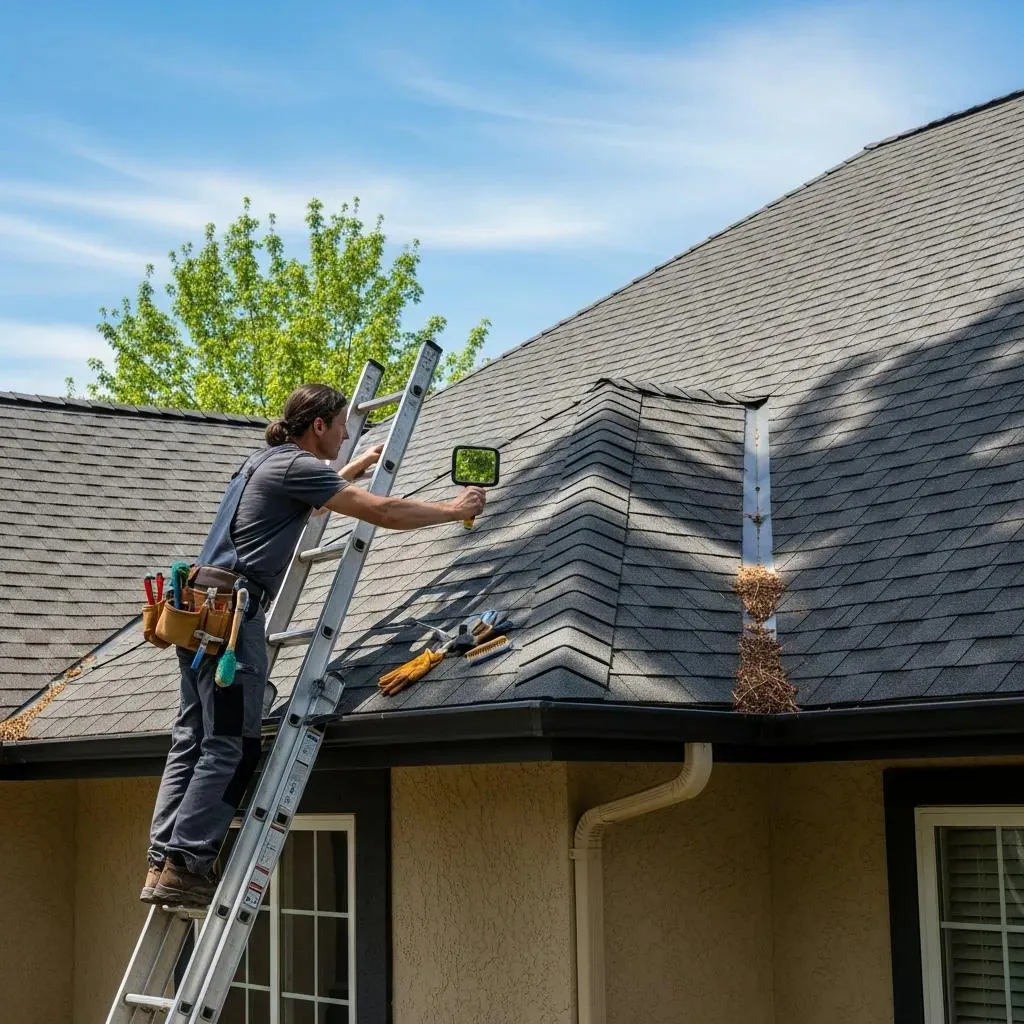
Preventing and addressing curling involves a mix of routine care and the right installation practices. Regular checks, good ventilation, and timely repairs keep small problems from growing into costly failures. Below are practical steps homeowners can take.
What Are Effective Methods to Stop Shingle Lipping?
To reduce the chance of lipping, try these practical measures:
- Regular Inspections : Check the roof periodically for curling, gaps, or other damage.
- Proper Ventilation : Maintain adequate attic and roof ventilation to control heat build-up.
- Quality Installation : Use experienced roofers who follow manufacturer guidelines and install sealant correctly.
Taken together, these steps lower the risk of curling and extend your roof’s useful life.
When Should You Seek Professional Inspection or Repair?
Contact a roofing professional if curling persists or you notice clear signs of damage. Look for the following indicators:
- Visible Water Damage : Water stains, leaks, or moisture on ceilings or attic surfaces.
- Severe Curling : Shingles that stay lifted or cracked despite warm weather.
- Age of Roof : If your roof is near the end of its expected lifespan, get a pro to evaluate it.
Acting quickly on these signs can prevent further deterioration and higher repair bills.
This table summarizes common prevention methods, what they do, and how effective they are.
In short, knowing what causes lipping and taking preventive steps helps protect your roof and avoid expensive repairs.
Frequently Asked Questions
What are the long-term effects of untreated asphalt shingle lipping?
Left unchecked, lipping can let water get under shingles, causing leaks, rot, and mold. Over time, moisture can weaken decking and other roof components, potentially leading to major repairs or a full replacement. Regular maintenance and early fixes reduce these risks.
Can weather conditions affect the resolution of shingle lipping?
Absolutely. Warm, sunny weather helps the sealant re-activate and flatten curled shingles. Cold or damp conditions slow that process and can prolong the issue. Monitor your roof across seasons to understand how local weather affects shingle behavior.
Is it possible to repair curling shingles without replacing them?
Many minor curls can be repaired by re-seating the shingle edge and applying roofing adhesive or sealant, provided the shingle itself isn’t brittle or damaged. For severe curling or widespread wear, replacement may be the better, longer-lasting option. A roofer can advise on the best approach.
How often should I inspect my asphalt shingle roof?
Inspect your roof at least twice a year—typically spring and fall—and after significant storms. Regular checks help you spot curling, loose shingles, or granule loss early, so you can address problems before they worsen.
What are the signs that my roof needs professional attention?
Call a pro if you see persistent curling, obvious water damage, missing shingles, heavy granule loss, or interior leaks. If the roof is near the end of its expected life, a professional evaluation will help determine whether repair or replacement is the wiser choice.
Can I prevent shingle lipping with proper installation techniques?
Yes. Proper installation—including correct nailing, adequate sealant application, and sufficient ventilation—greatly reduces the chance of lipping. Hiring experienced roofers who follow manufacturer specs is one of the best investments for long-term roof performance.
Conclusion
Knowing why shingles lip and what helps them recover gives you a clear path to protect your roof. Regular inspections, good ventilation, and professional installation are the most effective steps you can take. If in doubt, consult a qualified roofer to assess damage and recommend repairs. Check our expert guides to learn more about keeping your asphalt shingles in good condition.