


Roof Repair Services Sarasota You Can Trust
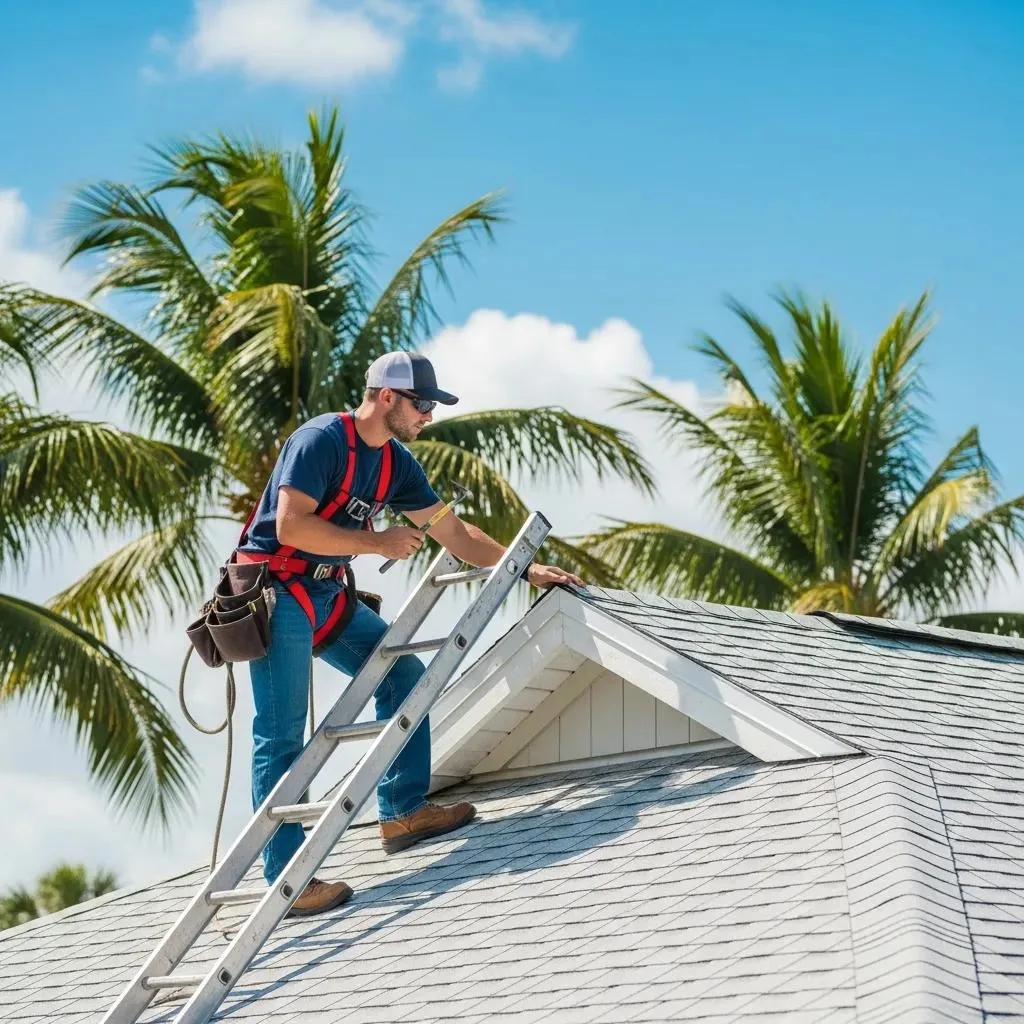
Sarasota Roof Repair Services for Homes and Businesses
Sarasota homes and businesses need roof repairs that stand up to storms, salty air, and intense sun — and that follow current building codes. This guide walks through the repair issues common to our climate, explains a clear, compliant repair workflow, compares materials that perform well here, and outlines emergency response after storm damage. You’ll learn how to spot early warning signs, what inspections should cover, how material choices affect repair frequency and long‑term cost, and what to expect for insurance coordination and permitting. Read on for practical checklists, comparison tables, and next steps to protect your roof and decide whether to repair or replace.
What Are the Common Roof Repair Needs in Sarasota’s Climate?
Sarasota’s mix of sun, humidity, salt spray, and frequent storms speeds up roof wear and creates local failure points. UV exposure shortens the life of asphalt, salt accelerates corrosion on metal parts, and high winds can lift shingles or shift tiles. Catching these problems early limits interior damage and extends the roof’s service life. Below are the most common signs and damage types to watch for in this area.
Common climate-driven roof problems in Sarasota include:
- Missing or lifted shingles — a sign of wind uplift or failing fasteners.
- Granules in gutters and dark streaks — evidence of asphalt shingle breakdown from UV exposure.
- Cracked or slipped tiles and broken mortar — which expose underlayment to moisture.
- Corroded metal flashing and fasteners from salt spray — common leak sources.
Those surface symptoms often point to deeper issues. The next sections explain targeted diagnostics to help you decide whether to repair now or mitigate immediately.
How Does Storm Damage Affect Sarasota Roofs and What Repairs Are Needed?
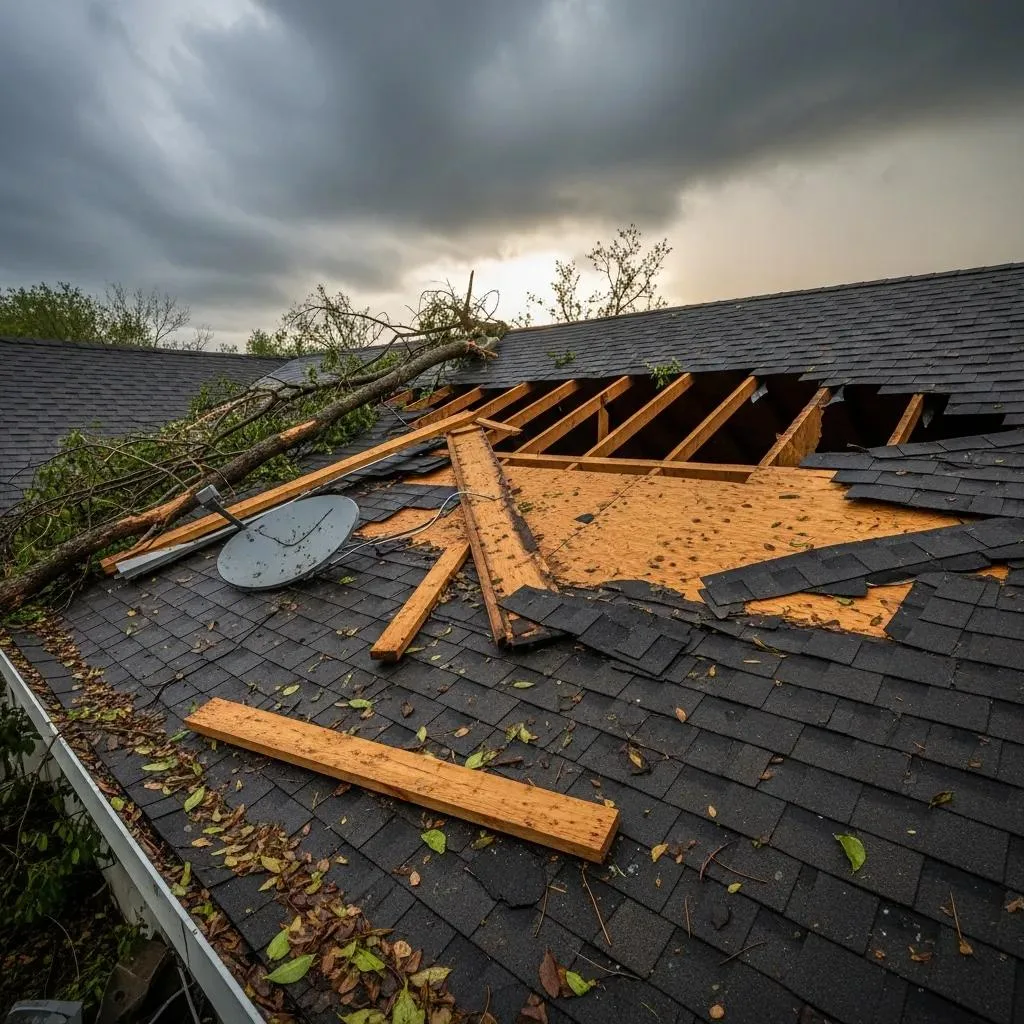
Storms here usually cause wind uplift, shingle loss, impact damage and breaches in the underlayment that let water in and create ongoing interior problems. Wind can loosen fasteners, rip off ridge caps, and move tile fields; hail and debris can crack tiles or bruise shingles in ways that aren’t obvious from the ground. Immediate steps commonly include temporary tarping to stop further intrusion and a prioritized repair plan that addresses flashing, underlayment replacement, and secure fastening of displaced materials. Permanent repairs typically involve replacing damaged shingles or tiles, reinstalling or upgrading flashing, and replacing small sections of decking when rot is present.
Following a careful storm‑repair sequence reduces secondary damage and makes insurance documentation straightforward. That documented sequence becomes the basis for the next inspection phase where photos and a detailed scope are prepared for the adjuster and for scheduling repairs.
What Are the Signs of Roof Leaks and How Are They Fixed?
Interior signs of leaks include ceiling stains, musty smells, and wet or compressed attic insulation. Outside, look for damaged flashing, cracked shingles, and water pooling on low‑slope areas. A proper diagnosis combines an exterior roof walk with an attic inspection to rule out plumbing or HVAC condensation; tools like moisture meters and infrared scans help confirm active wet spots. Typical repairs range from flashing replacement around chimneys and penetrations to section replacements of shingles or tiles, and full underlayment repairs if water intrusion is widespread.
After repairs, we perform a follow‑up inspection and document the results with photos to verify watertight seals and support any warranty or insurance needs. That documentation is a standard part of a compliant repair workflow.
How Does Our Comprehensive Sarasota Roof Repair Process Ensure Quality and Compliance?
A quality repair process starts with a documented inspection, moves through transparent estimates and material selection, and finishes with code‑compliant execution and final verification. Our workflow prioritizes Florida Building Code (2023) compliance, coastal installation details, and careful permitting to avoid rework and to ensure long‑term performance. Below is a quick overview of the core steps you should expect from a thorough roofing provider, followed by a typical estimate breakdown.
Common stages in a compliant roof repair process:
- Initial safety triage and a detailed exterior/interior inspection with photo documentation.
- Transparent estimate that separates labor, materials, permits, and contingencies.
- Permit acquisition and code‑compliant repair or replacement carried out by qualified crews.
- Post‑repair inspection, site cleanup, and delivery of warranty documentation.
A clear estimate separates scope and costs to help with insurance claims and homeowner decisions. The table below explains typical estimate line items and their role in a repair project.
This breakdown helps homeowners and adjusters see where costs fall and prepares you for scope and timeline conversations before work begins.
To speed plan review and inspections, American Masters Roofing & Restoration (AMRR LLC) works with Private Providers and licensed personnel when possible to accelerate permitting and, when feasible, coordinate same‑day inspections. AMRR LLC is a state‑licensed general contractor (CBC 1266052 / CCC1334402) with deep familiarity with Florida Building Code (2023) requirements, which helps avoid rework and ensures repairs meet current compliance standards. That capability shortens timelines and reduces surprises during repair. The following sections describe the inspection and estimate steps we use to deliver that level of quality.
What Happens During a Free, Detailed Roof Inspection?
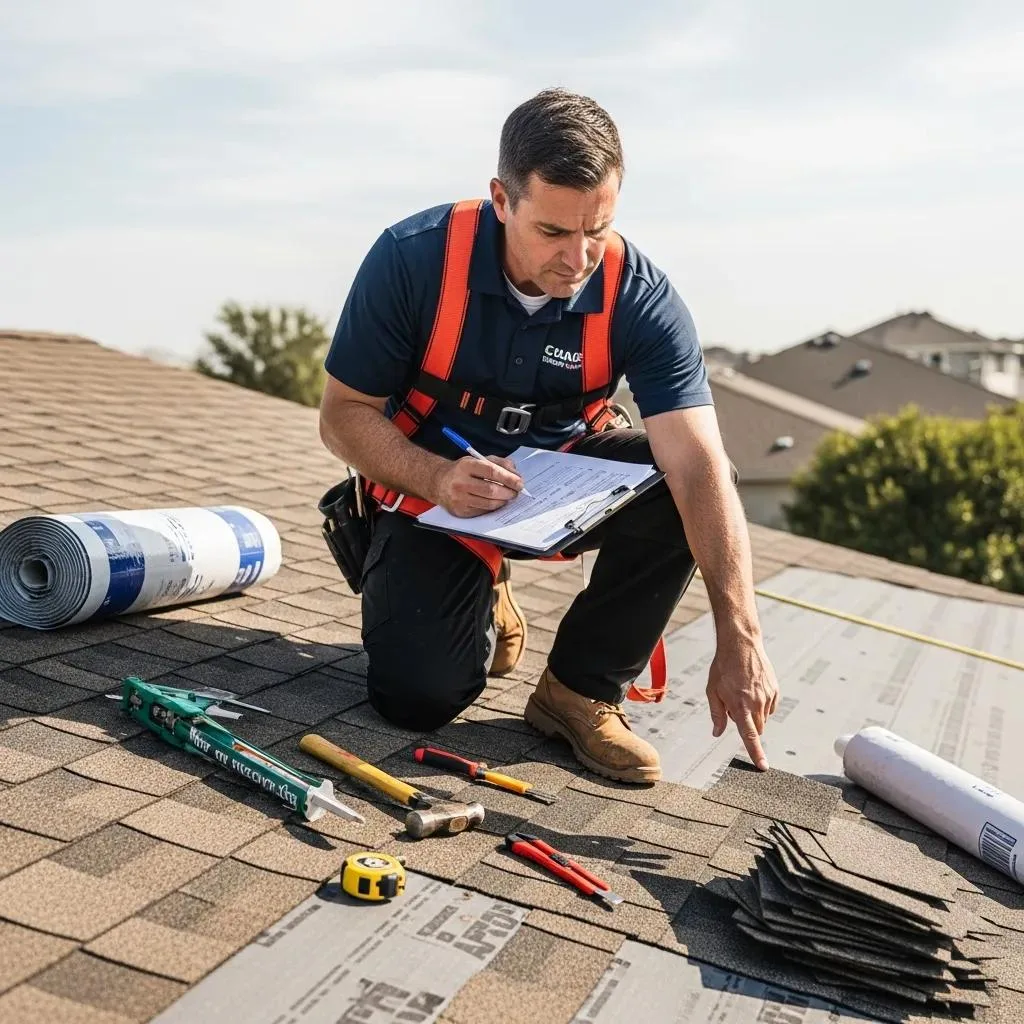
A free, detailed inspection documents material condition, flashing integrity, penetrations, attic moisture and roof deck status using a systematic checklist and a photo report. Inspectors review shingles, tiles, metal components, vents, gutters and sealants, while attic checks focus on insulation, ventilation, visible moisture and decking soundness to find concealed leaks. Deliverables include a prioritized list of recommended repairs, photographic evidence for insurance, and clear next steps to address any immediate safety items. Homeowners can speed the process by noting recent leaks and ensuring attic access is clear.
This documented inspection is the foundation for an accurate estimate and the permits that follow, making coordination with adjusters and permitting authorities smoother.
How Do We Provide Transparent Estimates and Material Selection?
Our estimates break projects into specific tasks, list material brands and types, and show permit and labor allocations so you can compare options and financing paths. Material guidance weighs cost, lifespan, wind rating and coastal durability to balance upfront cost versus long‑term resilience for Sarasota conditions. We also explain how insurance coordination, photo documentation and scope justification support better claim outcomes. For example, we might compare higher‑wind‑rated shingles to standard asphalt when a roof is near end‑of‑life or exposed to high winds.
Clear estimates with material recommendations reduce surprises and make it easier to choose the repair strategy that protects your property now and over time.
Why Should Sarasota Homeowners and Businesses Choose American Masters Roofing?
Picking the right contractor means checking licensing, local code knowledge, storm‑claim experience and access to faster permitting pathways that cut downtime after damage. American Masters Roofing & Restoration (AMRR LLC) is a state‑licensed general contractor (CBC 1266052 / CCC1334402) serving residential and commercial clients across Florida, with specialized experience in storm restoration and insurance‑claims support. Our strengths include working with Private Providers for expedited plan review, producing documented inspection reports for claims, and crews trained in coastal installation practices that meet Florida Building Code (2023) requirements.
Key trust factors when choosing a roofing partner:
- Proper licensing and code knowledge to prevent rework and ensure compliance.
- Proven processes for documenting damage and supporting insurance claims.
- Access to private‑provider pathways to speed permitting and inspections.
- Material and warranty practices tailored to Sarasota’s climate.
These capabilities shorten project timelines, improve the likelihood of insurance approval, and protect property value. The next H3s detail how local expertise and claims support deliver those advantages.
How Does Our Local Expertise and Knowledge of Florida Building Codes Benefit You?
Local experience reduces risk by matching installation methods to coastal exposures and to the 2023 code requirements for wind resistance and fastening. Knowing updated provisions — such as enhanced fastening schedules and continuous load‑path expectations — helps prevent inspection failures and lowers the chance of costly corrective work. That knowledge also aligns repair scopes with what adjusters expect, which can streamline approvals and reduce disputes. For homeowners, it means the job gets done right the first time and the roof is better prepared for coastal weather.
The next subsection explains our insurance‑claims support that complements these code advantages.
What Insurance Claims Assistance Do We Offer for Storm Damage?
Our claims assistance includes thorough photo documentation, written scopes tied to code requirements, adjuster coordination and follow‑through to claim resolution. A professional inspection report with dated photographs and a clear repair scope helps ensure adjusters see the full extent of damage and how repairs meet code and manufacturer requirements. We prepare scope narratives and replacement‑cost documentation to reduce denials and, when needed, negotiate with adjusters to align payouts with required repairs. This end‑to‑end approach lets homeowners focus on recovery while we handle the technical claim work.
Documented scope and adjuster coordination improve claim outcomes and pave the way for timely repairs and final inspections that confirm code‑compliant completion.
What Are the Best Roofing Materials for Sarasota’s Climate and How Do They Impact Repair and Replacement?
Choosing roofing materials in Sarasota means balancing wind resistance, UV durability, salt‑air corrosion resistance, installation weight and lifecycle cost. Each material has tradeoffs: asphalt is cost‑effective but shorter‑lived in strong sun; metal offers longevity and wind performance but needs proper coatings and attention at penetrations; tile is durable and salt‑resistant but heavier and more expensive up front; and flat systems like TPO or modified bitumen need specialized maintenance on low slopes. The table below compares common materials to help weigh repair frequency against replacement cost.
This comparison clarifies repair frequency expectations and helps homeowners decide whether targeted repairs or full replacement better match performance needs and budget.
When choosing materials, consider hurricane‑rated options and installation methods that meet current wind‑load requirements — these choices can cut future repair costs and improve insurance outcomes.
What Are the Advantages of Asphalt Shingles, Metal, Tile, and Flat Roofs in Sarasota?
Each roofing material balances cost, lifespan and maintenance differently, so the best choice depends on property type and priorities. Asphalt shingles are common on homes because they’re affordable and easy to repair, though high UV and frequent storms can shorten their life. Metal roofing offers long‑term durability and wind resistance but needs careful flashing and corrosion control. Properly installed tile performs very well in coastal settings and lasts for decades, though it has higher upfront costs and structural considerations. Flat roofs like TPO are typical on commercial buildings and require regular maintenance to manage seams and ponding.
Choosing the right material depends on whether you prioritize upfront cost, longevity or storm performance, and whether the structure can support heavier systems like tile, which brings us to hurricane‑resistant upgrades and their benefits.How Do Hurricane-Resistant Materials Improve Roof Durability?
Hurricane‑resistant materials and installation practices create a continuous load path using stronger fasteners, straps, reinforced flashing and wind‑rated shingles or membranes. These measures reduce uplift risk in high winds and lower the chance of progressive failure when one component is compromised. Upgrades like wind‑rated shingles, hurricane straps and corrosion‑resistant metal components in coastal zones are practical improvements that reduce repair frequency after storms. Over time, these investments can improve insurance risk profiles and lower the cumulative cost of repairs by preventing major failures.
Installing hurricane‑rated materials is an investment in survivability during severe weather and can change replacement timing when planning long‑term roof strategy.
How Can You Get Emergency Roof Repair Services in Sarasota When You Need Them Most?
After severe weather, an effective emergency response focuses on safety, temporary mitigation to stop water intrusion, documentation for insurance, and fast scheduling of permanent repairs. A good emergency plan prioritizes immediate tarping or temporary sealing, a documented inspection for claims, and a clear timeline for permanent repair based on scope and permits. Homeowners should take dated photos of damage and move vulnerable items away from leak areas. The checklist below covers steps to secure your property and speed repair response.
Emergency response checklist for storm-damaged roofs:
- Ensure safety: evacuate unsafe areas and avoid walking on a damaged roof.
- Document damage: photograph all visible exterior and interior issues with timestamps.
- Apply temporary protection: arrange tarping or temporary patching to prevent water entry.
- Request a documented inspection and estimate to start insurance coordination and repairs.
Following these steps reduces immediate risk and prepares the property for a structured repair process that can use expedited permitting to minimize downtime.
What Steps Are Involved in Storm Damage Roof Repair and Fast Response?
A fast storm‑repair workflow moves from triage to final inspection in a sequence designed to protect the structure and meet insurance requirements. First, a safety assessment and temporary tarping minimize further interior damage. Next, a thorough inspection documents the damage and creates a repair scope with photo evidence for the claim. After scope approval, the contractor secures permits and schedules crews, using Private Providers where possible to speed plan review and inspection. Permanent repairs are completed next, followed by final inspection and delivery of warranty documentation.
This sequence balances urgency with careful documentation and code compliance, allowing efficient restoration while protecting homeowner interests.
How Do Private Providers Accelerate Permitting and Inspections for Emergency Repairs?
Private Providers are authorized third‑party plan reviewers and inspectors who work under Florida statutes to supplement municipal capacity and shorten approval timelines. By using Private Providers, a contractor can often get plan review and permit sign‑off faster than relying solely on municipal channels, sometimes securing same‑day or next‑day inspections where standard review would take longer. This is especially valuable after storms when municipal offices are backlogged, allowing repairs to proceed sooner and reducing exposure to additional weather. For homeowners, private‑provider use means quicker repairs and fewer days relying on temporary mitigation.
Faster permitting through Private Providers reduces project delays and helps restore roof integrity more rapidly, which leads into common homeowner questions about costs and repair‑versus‑replace choices.
Frequently Asked Questions
What should I do immediately after storm damage to my roof?
Put safety first — avoid damaged areas and evacuate if needed. Photograph the damage with timestamps for insurance, then arrange temporary protection such as tarping to stop water intrusion. Contact a professional roofing service for a documented inspection and estimate so you can begin the repair and claims process. Taking these steps early helps limit damage and smooth the recovery.
How can I tell if my roof needs repairs or a full replacement?
Deciding between repair and replacement depends on age, extent of damage and repair history. If the roof is near the end of its expected life, has widespread damage, or needs repeated repairs, replacement is often more cost‑effective. Structural issues or replacement of large areas also point to full replacement. A qualified roofer can assess condition and recommend the best option for your goals and budget.
What are the benefits of using hurricane-resistant roofing materials?
Hurricane‑resistant materials improve wind performance and reduce uplift risk during storms. These systems — reinforced shingles, metal panels, and specialized underlayments — meet stricter code and manufacturer requirements. Investing in hurricane‑rated options can lower repair frequency, improve insurance outcomes and extend roof life, making them a smart choice in storm‑prone areas like Sarasota.
How often should I have my roof inspected?
We recommend a roof inspection at least once a year and after any severe weather event. Regular inspections catch early signs of wear, leaks or damage so you can make timely repairs and avoid larger problems. If you see visible damage or leaks, schedule an inspection right away.
What role does insurance play in roof repair costs?
Insurance can significantly offset repair costs depending on your policy and the damage cause. Most homeowner policies cover storm damage, but coverage varies. A professional inspection report with photos strengthens claims and helps ensure fair compensation. Communicate clearly with your adjuster and provide all required documentation to speed the process.
Can I perform temporary repairs myself before professional help arrives?
Yes — temporary measures like tarping leaks or securing loose shingles can limit further damage. Put safety first and avoid climbing on a severely damaged roof. Document any temporary fixes you make; that information can help with insurance. Follow up with a professional inspection to address the root cause.
What should I look for in a roofing contractor?
Choose a contractor with proper licensing, insurance and a strong local reputation. Look for experience with storm repairs, knowledge of local codes, clear references and transparent estimates. A good contractor explains the insurance process and provides documented inspection reports — all of which simplify repairs and claims.
How Much Does Roof Repair Cost in Sarasota and What Factors Influence Pricing?
Repair cost depends on damage type and scale, chosen materials, roof access and complexity, and local permitting. Small, localized repairs like flashing replacement or a few shingles are relatively affordable. Repairs that require deck replacement, extensive underlayment work, or specialty materials (tile or metal) can approach the cost of a full replacement. Insurance can offset homeowner expense when coverage applies, but accurate scope documentation from an inspection is essential. Ask for a detailed estimate with unit pricing and allowances so you can compare options.
Understanding these cost drivers helps you choose between targeted repairs and strategic replacement based on long‑term value rather than short‑term savings.
When Should You Consider Roof Replacement Instead of Repair?
Replacement usually makes sense when the roof is near the end of its expected lifespan, damage covers a large portion of the roof, or leaks persist despite repairs. If multiple areas need underlayment or deck replacement, or if the roof doesn’t meet current wind‑ or code‑driven standards, replacement can be more economical over time. Factor in the lifespan of the replacement material and potential insurance support after major events. Evaluate replacement versus repair using a condition assessment, repair history and long‑term performance expectations.
When replacement is the right choice, selecting hurricane‑rated materials and code‑compliant installation reduces future repair needs and protects your investment.
While this guide focuses on Sarasota, the same principles apply across Florida. For those seeking specialized roofing services in West Palm Beach, understanding local climate factors and building codes is equally important for long‑term protection.
To explore broader roofing solutions and industry insight, consult reputable online resources that cover material options, maintenance best practices and contractor selection. These references help homeowners and business owners make informed choices across different regions. For homeowners ready to document damage and schedule an inspection, American Masters Roofing & Restoration (AMRR LLC) offers free documented inspections and uses private‑provider pathways and code expertise to speed permits and inspections. Requesting a free inspection starts the documented workflow that supports stronger insurance claims and faster repairs so you can restore protection for your home or business quickly.
Conclusion
Choosing the right roof repair partner in Sarasota protects your property against the region’s specific challenges. With thorough inspections, transparent estimates and work that complies with Florida Building Code, you can be confident your roof will perform when it matters most. Don’t let small issues become big problems — take action now. Contact American Masters Roofing & Restoration for a free inspection and let us help you restore a safe, durable roof.