


Discover the Best Roofing Materials for Melbourne FL Homes
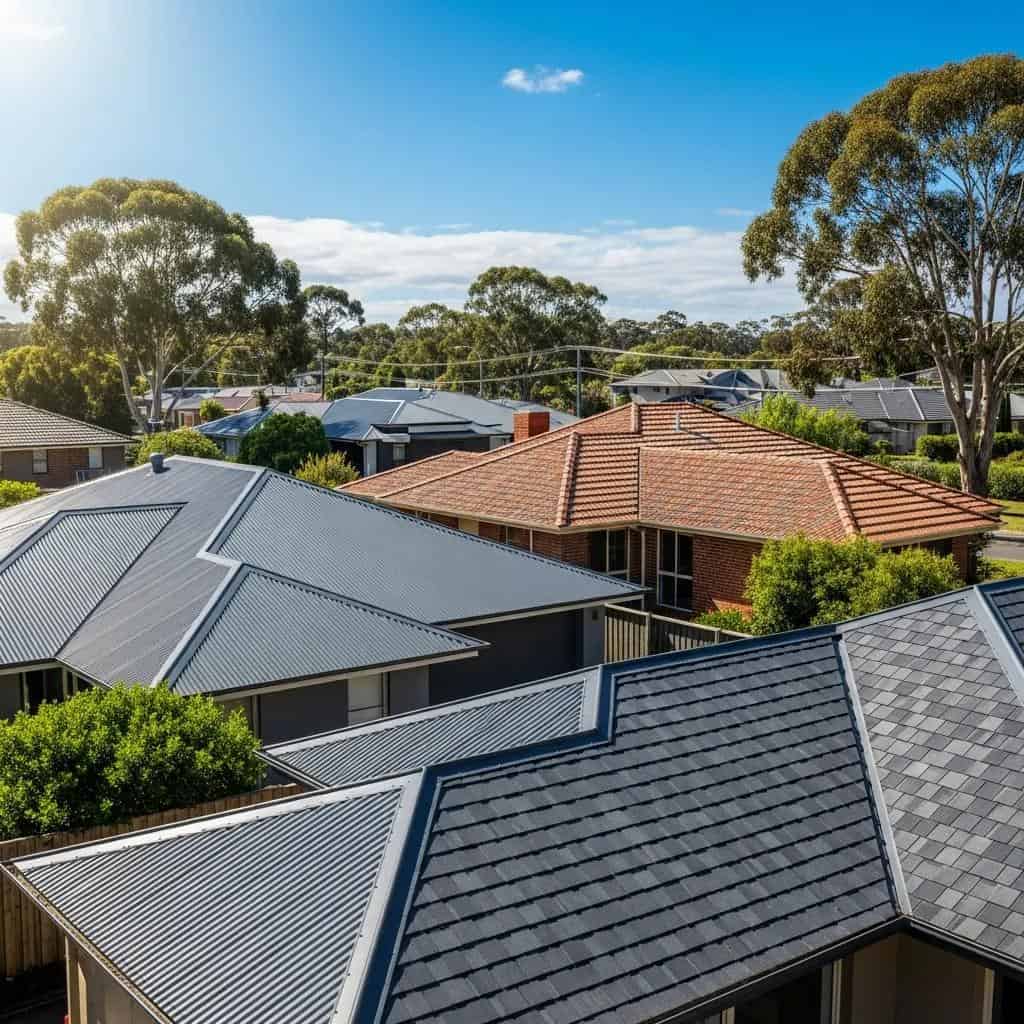
Top Roofing Solutions for Melbourne Homes
Choosing the right roof matters. For Melbourne homes, common top performers are metal roofs, tile roofs, and asphalt shingles. Metal gives you long life and energy savings when finished in reflective coatings. Tile brings lasting durability and strong curb appeal, though it costs more up front and may need extra structural support. Asphalt shingles are budget friendly and come in impact‑rated varieties for added resilience. If energy efficiency is a priority, look for cool‑roof options and reflective materials. This guide walks you through the leading choices for Melbourne’s climate, what each material delivers, and how to pick the right solution for your house.
What Are the Top Roofing Materials Suitable for Melbourne’s Climate?
The roofing materials that work well in Melbourne’s weather include:
- Clay Tile
- Concrete Tile
- Asphalt Shingles
- Metal
- TPO (Thermoplastic Olefin)
- Modified Bitumen
- Slate
Each of these options is designed to handle heat, humidity, and storm events common in the area. Their differences—weight, lifespan, cost, and maintenance—help determine which is best for your home.
American Masters Roofing and Restoration installs and recommends roofing systems tailored to Melbourne homes. Their on‑the‑ground experience helps homeowners match materials to budgets and local conditions.
How Does Metal Roofing Perform in Melbourne’s Heat and Storm Conditions?
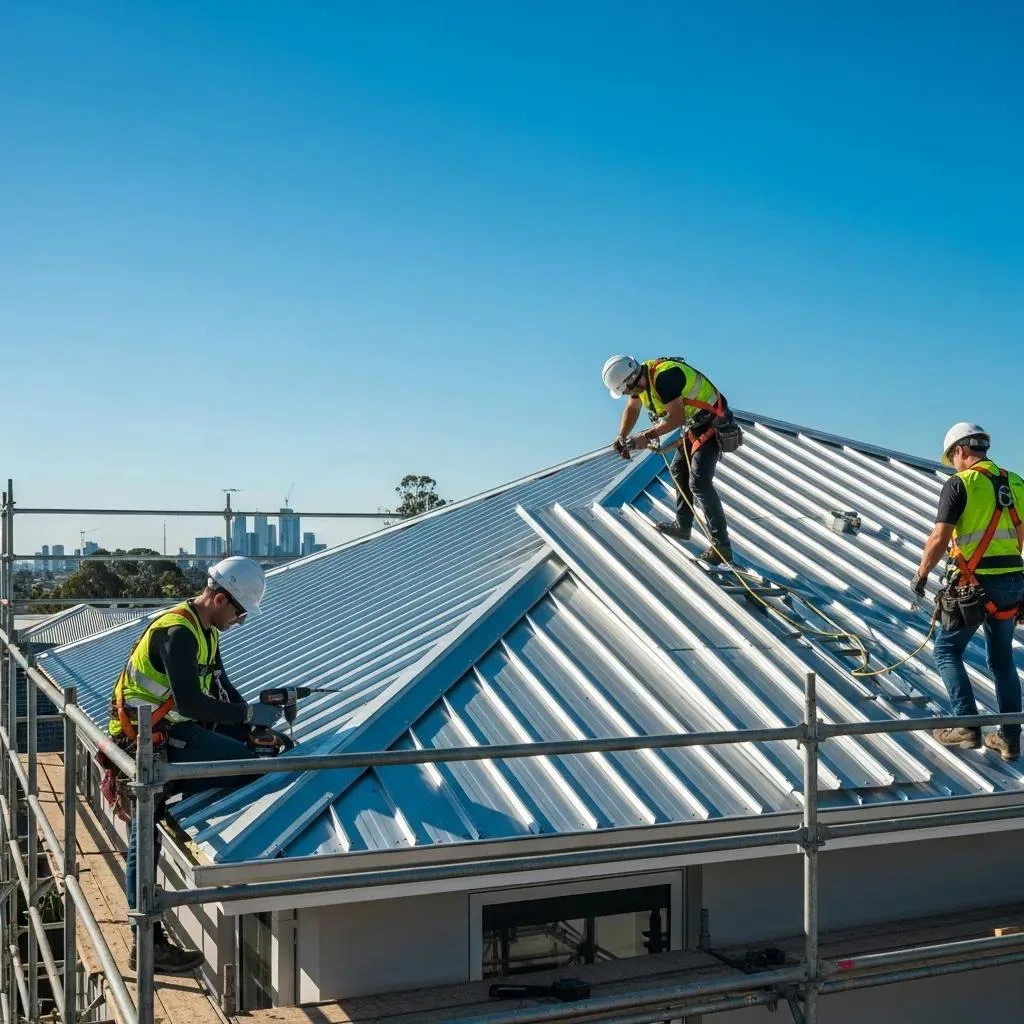
Metal roofing handles Melbourne heat well because reflective finishes cut down on absorbed solar energy—so your home stays cooler and air‑conditioning runs less. Properly installed metal roofs resist strong winds and heavy rain, making them a solid pick for storm‑exposed areas. With routine upkeep, a metal roof can easily last 40 years or more, offering long‑term value despite a higher initial price tag.
What Are the Benefits of Tile Roofing for Melbourne Homes?
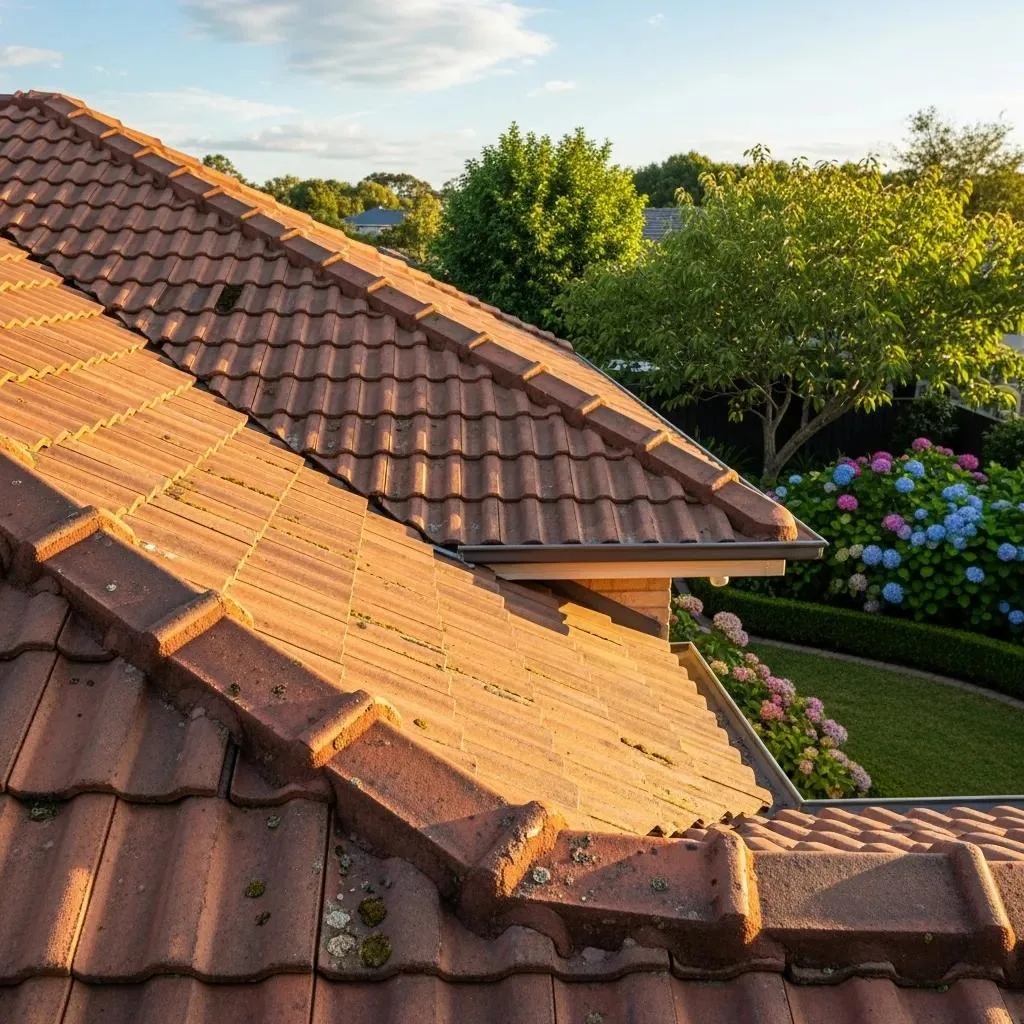
- Durability: Tile stands up to harsh weather and performs well in wind and rain.
- Longevity: Properly maintained tile roofs can last 50 years or longer.
- Aesthetic Appeal: Tiles come in many profiles and colours to enhance a home’s look.
- Energy Efficiency: Tile helps moderate indoor temperatures, which can reduce cooling demand.
- Low Maintenance: Compared with some materials, tiles need fewer routine repairs over time.
Those qualities make tile an attractive, long‑term choice for homeowners who value appearance and lifespan.
How Do Asphalt Shingles Compare for Melbourne Roof Replacement?
Asphalt shingles are a common option for roof replacements because they’re affordable and versatile. You can choose from basic 3‑tab shingles, upgraded architectural styles, or impact‑rated products designed to resist hail and strong winds—so there’s flexibility depending on budget and performance needs.
What Are the Differences Between Architectural and Impact-Resistant Shingles?
Architectural (laminated) shingles are thicker and heavier than standard 3‑tab shingles, which improves wind resistance and gives a more dimensional appearance. They usually last longer and hold up better in storms. Impact‑resistant shingles are engineered to withstand hail and debris—ideal where impact is a concern. Standard 3‑tab shingles are lighter and less durable, which can shorten their useful life in harsh conditions.
How Long Do Asphalt Shingle Roofs Last in Florida’s Climate?
In Florida’s climate, asphalt shingle roofs typically last about 15–25 years depending on the shingle quality and installation. Exposure to sun, humidity, storm events, and maintenance routines all affect lifespan—so material choice and professional installation matter.
Storm-Resistant, Energy-Efficient Roofing Options for Melbourne Homes
TPO (Thermoplastic Olefin) and modified bitumen are two common flat‑roof solutions for Melbourne homes and businesses. Both can be effective when installed correctly and paired with appropriate coatings and waterproofing to improve durability and drainage on low‑slope roofs.
How Do TPO and Modified Bitumen Roofs Withstand Melbourne Weather?
TPO performs well in hot, humid climates thanks to its heat‑reflective surface and UV resistance. It resists algae and many chemical exposures, helps lower cooling costs, and—when installed properly—can last 20–30 years. Modified bitumen offers layered redundancy and strong waterproofing, making it a practical choice for flat roofs that need robust protection.
Both systems rely on proper installation and regular maintenance to deliver their expected service life.
What Maintenance Is Required for Flat Roof Coatings in Melbourne?
Flat roofs with coatings need regular checks for wear, debris buildup, and drainage issues. Routine inspections, clearing gutters and drains, and prompt repairs of any cracks or blisters will extend a coating’s life and help prevent leaks.
Which Roofing Materials Offer the Best Storm Resistance in Melbourne?
Materials that stand up well to storms in Melbourne include:
- Architectural (laminated) asphalt shingles – Thicker and more wind‑resistant than basic 3‑tab shingles.
- Metal roofing – Long lasting with strong uplift resistance when properly fastened.
- Clay or concrete tiles – Very durable and attractive when installed with correct anchoring and ventilation; they may need extra structural support.
All of these choices can meet local building standards for wind and storm zones when specified and installed to code.
How Do Building Codes Influence Storm-Resistant Roofing Choices?
Building codes set the standards for materials and installation techniques that help roofs resist wind and storms. In Australia, contractors follow the National Construction Code (NCC) and relevant Australian Standards, which include wind‑load calculations and fastening requirements. Meeting these rules improves durability, helps pass inspections, and can support insurance outcomes tied to storm mitigation.
Knowing how wind resilience fits into local building rules makes those standards easier to understand and apply.
Melbourne Home Wind Resilience: Climate Adaptation
Severe windstorms rank among the major hazards in southeast Australia and lead to significant annual housing losses. As climate change alters windstorm intensity and rainfall patterns, the risk to homes becomes less predictable. That makes climate‑adaptation measures important for improving building resilience to windstorms and reducing economic losses from wind and rain damage.
Risk-based cost-benefit analysis of climate adaptation measures for Australian contemporary houses under extreme winds, H Qin, 2020
What Insurance Benefits Are Available for Resilient Roof Materials?
Installing storm‑resistant roofing can sometimes lower insurance premiums or improve coverage options because insurers view resilient materials as reducing the likelihood of damage. Check your policy and talk to your insurer—using certified materials and compliant installation often helps when seeking discounts or claims support.
What Factors Affect Roof Replacement Costs in Melbourne, Australia?
Key factors that influence roof replacement costs in Melbourne include:
- Roof Size: Larger roofs require more materials and labour.
- Roof Slope: Steeper roofs increase safety needs and installation time.
- Material Type: Costs vary widely between asphalt, metal, tile, and flat systems.
- Complexity of the Project: Structural repairs or intricate rooflines add cost.
- Permitting and Compliance: Local approvals and code‑required upgrades affect the budget.
- Weather Conditions: Weather can delay work and impact labour scheduling.
- Insurance Claims: If you’re claiming storm damage, the claims process can affect timing and out‑of‑pocket costs.
Because every roof is different, get a detailed estimate after a professional inspection so you know what to expect.
How Do Material Choices Impact Overall Roofing Expenses?
Your material choice shapes upfront cost, long‑term maintenance, and energy savings. Asphalt is affordable initially but may need replacement sooner. Metal costs more up front but can deliver decades of service and energy savings. Higher‑quality materials and expert installation often reduce lifetime costs by cutting repairs and improving efficiency. Balance budget, expected lifespan, and performance when choosing.
What Financing and Free Estimate Options Does American Masters Roofing Provide?
American Masters Roofing offers free roof inspections and clear, itemised estimates so you can weigh options without pressure. They also help customers navigate insurance claims, providing documentation and adjuster coordination for storm restoration work.
Why Choose American Masters Roofing and Restoration for Your Melbourne Roof?
Choose American Masters Roofing and Restoration for local experience, licensed and insured crews, and over 30 years in the field. We focus on clear communication, quality materials, and efficient project management to limit disruption to your home. Our team handles residential and commercial roofing and is available for questions and emergency work.
In addition to their Melbourne expertise, American Masters Roofing and Restoration serves other areas. For example, property owners looking for dependable roofing services in West Palm Beach can rely on the same standards of workmanship and customer care.
How Does Local Expertise Enhance Roofing Material Selection?
Local knowledge matters: experienced contractors understand how materials behave in nearby microclimates and which systems meet local codes. That insight helps recommend the right roof for your house, avoid surprises during installation, and keep projects on schedule and on budget.
What Is the Process for Insurance Claims Assistance and Faster Permitting?
- Document Damage Immediately: Take photos from multiple angles, note dates and times, and keep records of any temporary fixes.
- Notify Your Insurer Promptly: File your claim as your policy requires and request an adjuster inspection.
- Obtain Contractor Estimates: Get written quotes that detail scope, materials, and code‑required repairs to share with your adjuster.
- Coordinate Adjuster and Contractor Visits: When possible, attend inspections with your contractor so everyone sees the same issues.
- Keep Records and Receipts: Save documentation, temporary repair receipts, and all correspondence for the claim file.
Using private inspection services can speed up the process—same‑day or next‑day inspections often help start repairs sooner. Staying organised and coordinating between contractor and insurer improves the likelihood of a smooth claim and faster restoration.
Frequently Asked Questions
What factors should I consider when selecting roofing materials for my home?
When choosing roofing materials, consider factors such as climate, durability, cost, and aesthetic appeal. Melbourne’s weather can be harsh, so materials that withstand heat, humidity, and storms are essential. Additionally, think about the lifespan of the materials and their maintenance requirements. Energy efficiency is also crucial; reflective materials can help reduce cooling costs. Finally, ensure that the chosen materials comply with local building codes and regulations to avoid future issues.
How can I improve the energy efficiency of my roof?
To enhance your roof’s energy efficiency, consider installing cool roofing materials that reflect sunlight and reduce heat absorption. Adding insulation in the attic can also help maintain indoor temperatures. Regular maintenance, such as cleaning gutters and ensuring proper ventilation, is vital for optimal performance. Additionally, using energy-efficient roofing materials, like metal or tile, can significantly lower energy costs over time. Consulting with a roofing professional can provide tailored solutions for your specific needs.
What is the typical lifespan of different roofing materials?
The lifespan of roofing materials varies significantly. Asphalt shingles typically last 15-30 years, while metal roofs can last 40 years or more with proper maintenance. Tile roofs, both clay and concrete, can last 50 years or longer, making them a durable choice. Flat roofing systems like TPO and modified bitumen generally last 20-30 years. It’s essential to consider both the initial cost and the long-term value when selecting roofing materials for your home.
Are there any specific building codes I should be aware of for roofing in Melbourne?
Yes, Melbourne has specific building codes that govern roofing materials and installation practices. The National Construction Code (NCC) outlines requirements for wind resistance, insulation, and fire safety. Local councils may have additional regulations, especially for heritage properties. It’s crucial to work with a licensed contractor familiar with these codes to ensure compliance and avoid potential fines or issues during inspections. Always check with local authorities for the most current regulations.
What are the common mistakes homeowners make when replacing their roofs?
Common mistakes include not conducting thorough research on materials and contractors, overlooking the importance of proper installation, and failing to obtain necessary permits. Homeowners may also underestimate the long-term costs associated with maintenance and energy efficiency. Additionally, neglecting to consider local climate conditions can lead to poor material choices. To avoid these pitfalls, consult with experienced professionals and ensure you have a clear understanding of your options and requirements.
How can I ensure my roof is storm-ready?
To prepare your roof for storms, start by ensuring it meets local building codes for wind resistance. Choose durable materials like metal or architectural shingles that can withstand severe weather. Regular maintenance, such as clearing debris and checking for loose shingles, is essential. Additionally, consider reinforcing your roof’s structure if you live in a high-risk area. Consulting with a roofing expert can help you identify vulnerabilities and implement necessary upgrades to enhance storm readiness.
What are the environmental benefits of choosing energy-efficient roofing materials?
Energy‑efficient roofs—like cool roofs and reflective surfaces—cut heat absorption and lower cooling energy use. That reduces utility bills and shrinks a home’s carbon footprint. Reflective roofs can also help reduce local heat buildup. Many energy‑smart roofing products use recyclable or sustainably sourced materials, which further reduces environmental impact.
How can homeowners assess the condition of their existing roof?
Start with a visual check from the ground and in the attic. Look for missing or damaged shingles, curling, cracks, stains, or daylight through roof boards. Water stains on ceilings or mold in the attic are signs of leaks. Clean gutters and check flashings. For a full assessment, schedule a professional inspection—pros can spot hidden issues and recommend fixes.
What are the advantages of hiring a local roofing contractor?
Local contractors know regional codes, weather patterns, and which materials perform best nearby. They often have supplier relationships for better pricing and can respond quickly to emergencies. Choosing a local business also supports the community and provides easier lines of communication during and after the job.
What should homeowners consider when choosing roofing colors?
Climate and energy use matter: lighter colours reflect more heat, helping keep houses cooler, while darker tones retain heat. Think about curb appeal and whether the colour complements your home’s style and neighbourhood. Check local rules or homeowners’ association guidelines, and consider how colour affects energy bills when making a decision.
How often should roofs be inspected and maintained?
Inspect roofs at least twice a year—spring and autumn are good times—and after major storms. Regular maintenance like clearing debris, cleaning gutters, and checking flashings will extend a roof’s life. Schedule a professional inspection every few years or if you notice signs of trouble.
What are the signs that a roof needs to be replaced?
Replacement may be needed when you see widespread shingle damage (curling, cracking, or missing pieces), persistent leaks, water stains, a sagging roofline, or daylight showing through the roof deck. If your roof is near the end of its expected life—commonly 20–30 years for asphalt—plan for replacement to avoid escalating repairs.
What financing options are available for roof replacement projects?
Homeowners can use personal loans, home equity loans, or lines of credit. Many contractors offer financing plans that spread payments over time. There may also be local or national incentive programs for energy‑efficient upgrades. Compare rates and terms to pick the best option for your budget, and consider speaking to a financial advisor for guidance.
Conclusion
Picking the right roofing material for your Melbourne home protects your investment and affects comfort, efficiency, and curb appeal. Whether you prioritise longevity, cost, or energy savings, materials like metal, tile, and asphalt each offer clear tradeoffs. For trusted advice and professional installation, contact American Masters Roofing and Restoration—our team can help you choose the best roof for your needs and budget.
Conclusion
Choosing the right roofing material for your Melbourne home is essential for protecting your investment while enhancing comfort and energy efficiency. Options like metal, tile, and asphalt each provide unique benefits tailored to different needs and budgets. For expert guidance and professional installation, reach out to American Masters Roofing and Restoration today. Let us help you find the perfect roofing solution that meets your requirements and elevates your home’s value.