


Step-by-Step Guide to Florida Hail Damage Roof Insurance Claims
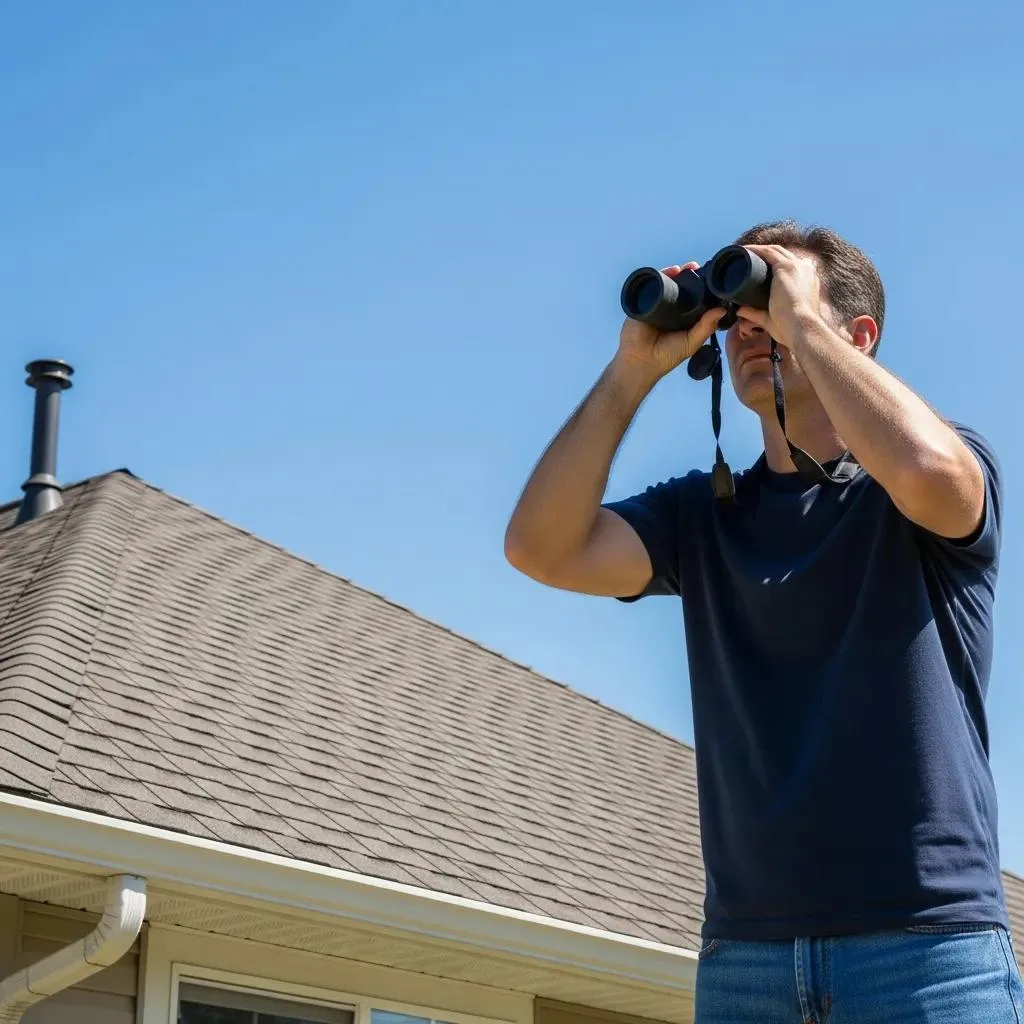
Your Step-by-Step Guide to Filing a Florida Roof Hail Damage Claim
Filing a roof insurance claim for hail damage in Florida can be a daunting process, especially for homeowners unfamiliar with the intricacies of insurance policies and claims procedures. This guide aims to simplify the process, providing you with a clear understanding of what hail damage is, how to identify it, and the essential steps to file a successful claim. By following this step-by-step approach, you can ensure that you are well-prepared to navigate the complexities of your insurance policy and maximize your claim’s potential.
In this article, we will cover the following key sections: understanding hail damage and its effects on roofs, identifying signs of damage, the importance of timely inspections, the essential steps in the Florida roof insurance claim process, effective documentation methods, and how to work with your insurance company and adjusters. Additionally, we will discuss the benefits of professional roof inspection and restoration services, including how free inspections can enhance your claim success.
What Is Hail Damage and How Does It Affect Your Roof?
Hail damage refers to the physical harm caused to roofing materials by hailstones during severe weather events. These ice pellets can vary in size and can create significant issues for your roof, leading to leaks, structural damage, and reduced lifespan of roofing materials. Understanding the types of damage caused by hail is crucial for homeowners, as it directly impacts the effectiveness of insurance claims.
The most common types of hail damage include dents in shingles, cracks, and missing granules. These issues can compromise the integrity of your roof, making it essential to conduct regular inspections, especially after a storm. Early detection of hail damage can prevent further complications and support your insurance claims process.
How to Identify Signs of Hail Damage on Your Roof

Identifying hail damage on your roof can be challenging, but there are several key signs to look for. Homeowners should be vigilant after a hailstorm and check for the following indicators:
- Dents in Shingles: Look for visible indentations or soft spots on your shingles, which may indicate damage.
- Granule Loss: Check for missing granules in the gutters or on the ground, as this can signify that your shingles have been compromised.
- Cracks or Breaks: Inspect for any cracks or breaks in the shingles, which can lead to leaks and further damage.
If you notice any of these signs, it is advisable to contact a professional for a thorough inspection. Professional roof inspections can provide a comprehensive assessment of the damage and help you understand the next steps in the claims process.
Why Timely Roof Inspection Is Crucial After a Storm
Timely roof inspections after a storm are critical for several reasons. First, early detection of hail damage can prevent further deterioration of your roof, which can lead to more extensive and costly repairs. Second, many insurance policies require prompt reporting of damage to ensure coverage. Delaying an inspection may jeopardize your claim.
Additionally, a professional inspection can provide documentation of the damage, which is essential for filing a successful insurance claim. This documentation serves as evidence of the condition of your roof before and after the storm, supporting your case with the insurance company.
What Are the Essential Steps in the Florida Roof Insurance Claim Process?
Filing a roof insurance claim in Florida involves several essential steps. Following these steps can help streamline the process and increase your chances of a successful claim:
- Document the Damage: Take clear photographs of the hail damage on your roof and any affected areas of your property.
- Notify Your Insurance Company: Contact your insurance provider as soon as possible to report the damage and initiate the claims process.
- Gather Necessary Documentation: Collect all relevant documents, including your insurance policy, photographs, and any inspection reports.
After completing these steps, your insurance company will assign an adjuster to assess the damage. It is crucial to be prepared for this inspection and to provide any additional information requested.
American Masters Roofing and Restoration specializes in roofing repair and restoration services in Florida, focusing on storm damage, including hail. Their expertise can be invaluable in navigating the claims process and ensuring that your roof is restored to its optimal condition.
How to Document and Photograph Roof Damage Effectively
Effective documentation and photography of roof damage are vital for supporting your insurance claim. Here are some best practices to follow:
- Safety First: Always prioritize safety when inspecting your roof. Use a sturdy ladder and wear appropriate safety gear.
- Clear Documentation Methods: Take high-resolution photographs from multiple angles to capture the extent of the damage. Include close-ups of specific issues, such as dents or missing shingles.
- Organizing Records: Keep all documentation organized, including photographs, inspection reports, and correspondence with your insurance company.
Having a well-organized record of the damage will facilitate communication with your insurer and help expedite the claims process.
When and How to Contact Your Insurance Company
Contacting your insurance company promptly after discovering hail damage is crucial. Here are some guidelines to follow:
- Timing for Contact: Reach out to your insurer as soon as possible, ideally within 24-48 hours of the storm.
- Documentation Preparation: Have all necessary documentation ready, including photographs and inspection reports, to provide a comprehensive overview of the damage.
- Clear Communication: Be clear and concise when explaining the situation to your insurance representative. Provide all relevant details to ensure a smooth claims process.
By being proactive and organized, you can help ensure that your claim is processed efficiently.
How to Work with Insurance Adjusters and File Your Hail Damage Claim
Working with insurance adjusters is a critical part of the claims process. Here are some tips to effectively collaborate with them:
- Documenting Damage: Ensure that you have thorough documentation of the damage to present to the adjuster during their inspection.
- Coordinating Inspections: Be available for the adjuster’s visit and provide any additional information they may need to assess the damage accurately.
- Negotiating Claims: If the initial assessment does not meet your expectations, be prepared to negotiate. Present your documentation and any professional inspection reports to support your case.
Understanding the adjuster’s role and being prepared can significantly impact the outcome of your claim.
What to Expect During the Insurance Adjuster’s Roof Inspection
During the insurance adjuster’s roof inspection, you can expect a thorough assessment of the damage. The adjuster will:
- Assess the Damage: They will examine the roof and any affected areas to determine the extent of the damage.
- Documentation Process: The adjuster will take their own photographs and notes to document the condition of your roof.
- Collaboration with Contractors: In some cases, the adjuster may collaborate with roofing contractors to get a clearer picture of the necessary repairs.
Being present during the inspection can help you understand the process and address any questions or concerns.
How to Follow Up and Handle Claim Challenges or Denials
If you encounter challenges or denials during the claims process, it is essential to know how to respond effectively:
- Documenting Communications: Keep a record of all communications with your insurance company, including dates, times, and the names of representatives you speak with.
- Engaging Experienced Contractors: If your claim is denied, consider consulting with experienced roofing contractors who can provide additional assessments and documentation.
- Negotiating Claims: Be prepared to negotiate with your insurer if you believe your claim has been unfairly denied. Present any new evidence or documentation to support your case.
Persistence and thorough documentation can help you navigate challenges and improve your chances of a successful claim.
What Are the Benefits of Professional Roof Inspection and Restoration Services in Florida?
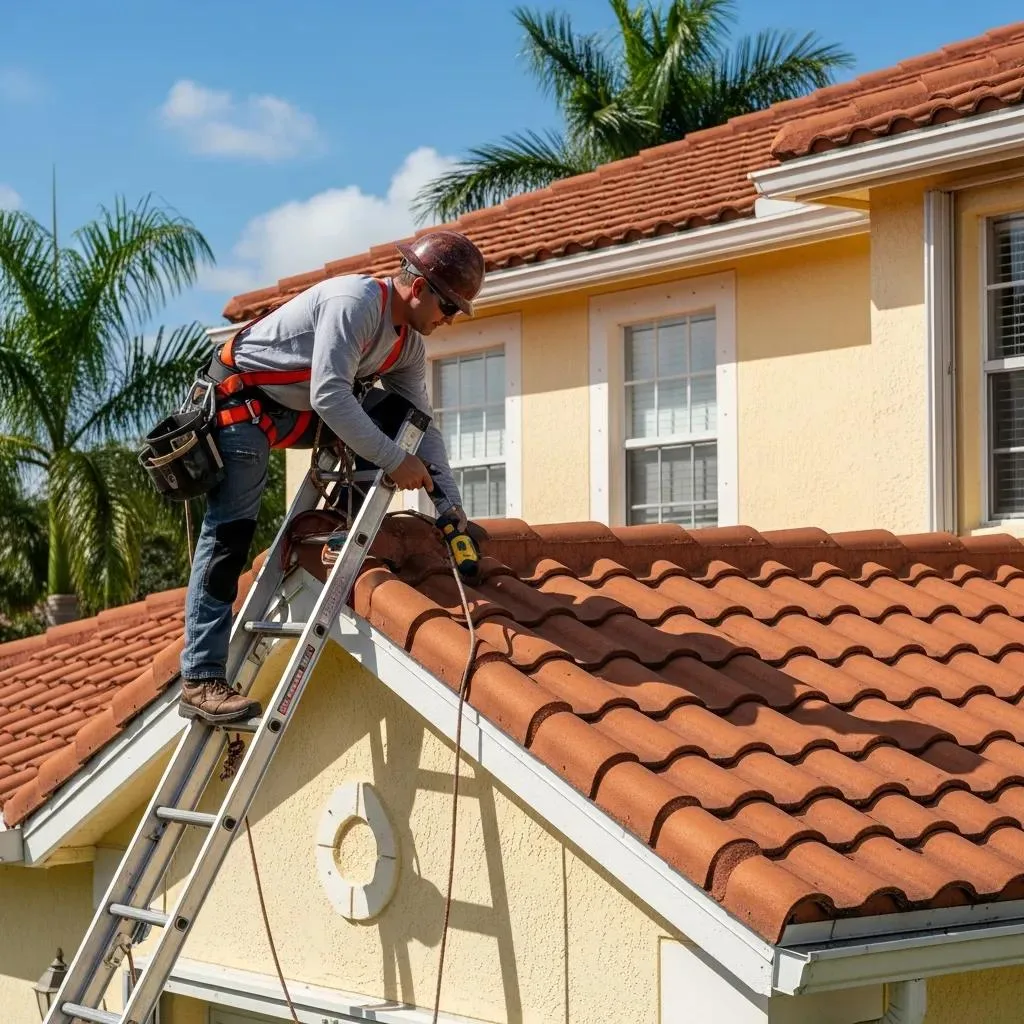
Professional roof inspection and restoration services offer several benefits for homeowners dealing with hail damage:
- Early Detection of Issues: Professionals can identify hidden damage that may not be visible to the untrained eye, ensuring comprehensive assessments.
- Prolonged Roof Lifespan: Regular inspections and timely repairs can extend the life of your roof, saving you money in the long run.
- Cost Savings: Addressing issues early can prevent more extensive damage and costly repairs down the line.
Utilizing professional services can provide peace of mind and ensure that your roof is in optimal condition.
How Free Roof Inspections Can Improve Your Claim Success
Free roof inspections can significantly enhance your claim success by providing valuable documentation and expert assessments. Here’s how:
- Documented Assessments: A professional inspection provides a detailed report of the damage, which can be crucial for your claim.
- Clear Recommendations: Experts can offer clear recommendations for repairs, helping you understand the necessary steps to restore your roof.
- Minimizing Surprises: Knowing the extent of the damage upfront can help you avoid unexpected costs during the repair process.
Taking advantage of free inspections can empower you with the information needed to navigate the claims process effectively.
Why Choose Local Florida Experts for Roof Repair and Restoration
Choosing local Florida experts for roof repair and restoration offers several advantages:
- Personalized Service: Local contractors understand the specific challenges posed by Florida’s climate and can provide tailored solutions.
- Knowledge of Local Codes: They are familiar with local building codes and regulations, ensuring compliance during repairs.
- Faster Emergency Response: Local experts can respond quickly to emergencies, minimizing damage and disruption.
By selecting a local roofing company, you can benefit from their expertise and commitment to the community.