


What to Do After Storm Damage to Your Roof in Melbourne, FL
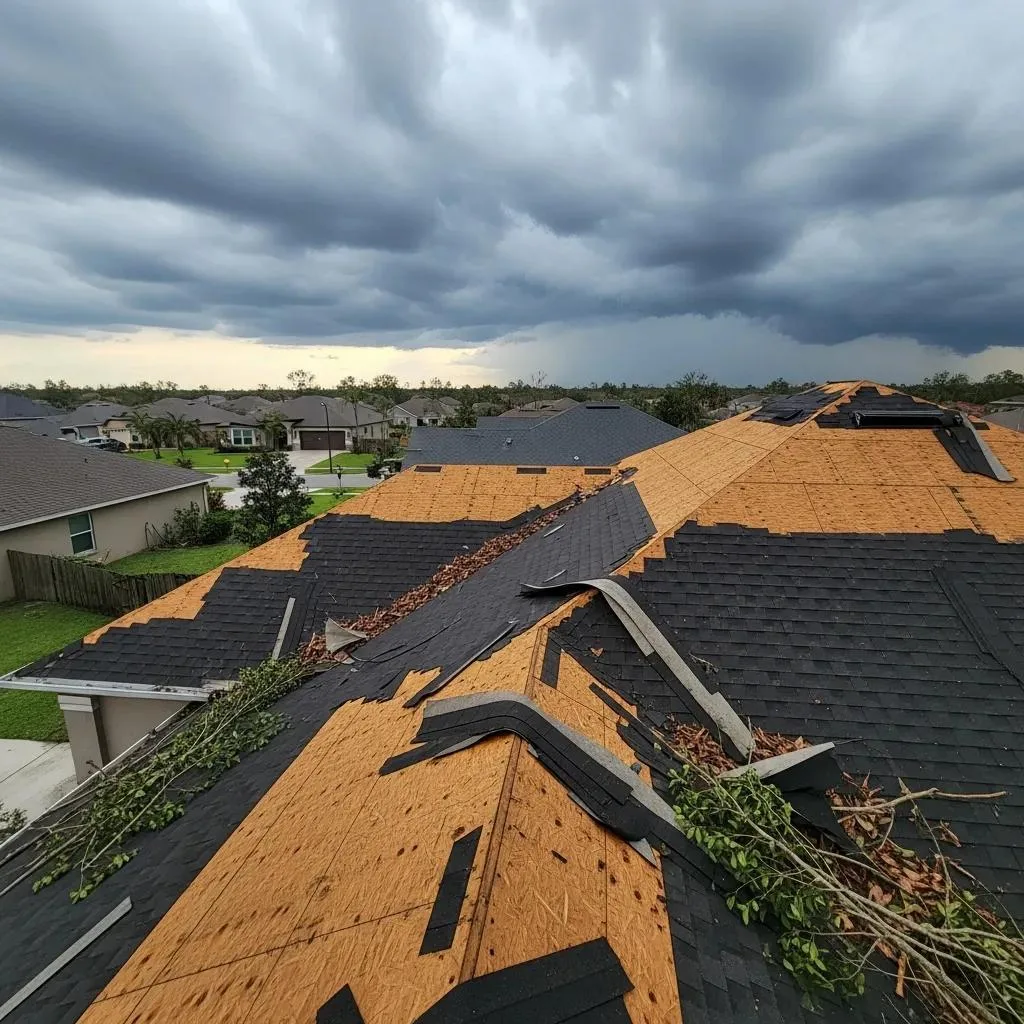
Storm-Damaged Roof? What to Do Next in Melbourne, FL
Florida storms can leave your roof compromised and leave you unsure of the next steps. Knowing what to do right away protects your home and keeps your family safe. This guide walks through the practical steps for roof repair in Melbourne, FL: how to spot damage, why a professional inspection matters, when emergency tarping is needed, how to handle insurance claims, and your repair or replacement options. Follow these actions to manage the aftermath and safeguard your property.
Spotting and Assessing Storm Damage to Your Roof in Melbourne, FL
Finding storm damage is the first step toward fixing problems before they get worse. After a storm, do a careful visual check from the ground if you can — look for missing or damaged shingles, hanging debris, and signs of leaks inside the home. Always put safety first: avoid climbing on the roof when it’s wet, unstable, or covered with debris. If you see obvious or significant damage, call a professional to perform a full, safe assessment.
What Are Common Types of Roof Damage Caused by Florida Storms?
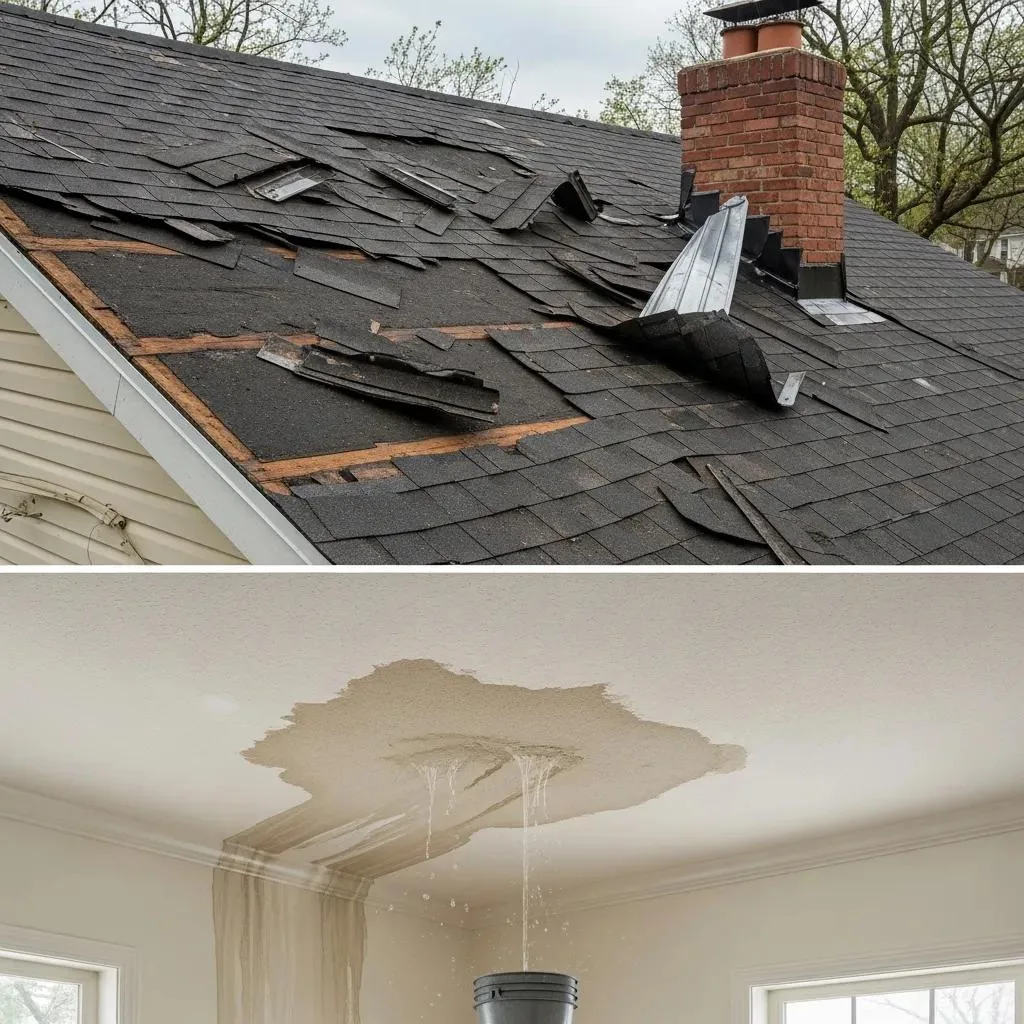
Florida storms can damage roofs in several ways, each of which can compromise your home’s protection: roof repair commercial
- Missing or Torn Roofing Materials: Strong winds can lift or strip shingles and tiles, leaving the underlayment exposed to water.
- Damaged Flashing: Flashing around chimneys, vents, and valleys can be bent or pulled loose, creating leak points.
- Signs of Water Intrusion: Brown stains on ceilings, peeling paint, or dampness in the attic are red flags that water is getting in.
Spotting these issues early helps you avoid bigger, more expensive repairs later.
When Should You Schedule a Professional Roof Inspection After a Storm?
Arrange a professional inspection as soon as you can — ideally within 24–48 hours after the storm if conditions allow. Waiting can let small leaks become mold or structural problems. A qualified inspector will give a thorough evaluation, document damage for insurance, and recommend the right repairs to keep your home safe.
What Does Emergency Roof Tarping Involve and Why Is It Crucial?
Emergency roof tarping is a short-term fix that protects your home while you arrange permanent repairs. Technicians cover damaged areas with a heavy-duty tarp and secure it so rain can’t get inside. Tarping stops immediate water intrusion, limits interior damage, and stabilizes the roof until professionals complete permanent work.
How Does Emergency Roof Tarping Protect Your Home from Further Damage?
Emergency tarping provides several practical protections:
- Seals Problem Areas: A tarp covers holes and torn roofing, keeping water out of the house.
- Minimizes Urgent Damage: Stopping water entry prevents damage to ceilings, insulation, and personal belongings.
- Stabilizes Home During Repairs: It gives you time to get repair estimates and schedule contractors without rushing into temporary fixes that don’t hold up.
When Should You Request Emergency Roof Tarping Services in Melbourne, FL?
Call for emergency tarping when you encounter any of these situations:
- Active Water Intrusion: If water is leaking into your home, get a tarp placed immediately.
- Visible Structural Issues: Sagging, large openings, or blown-off sections need temporary covering right away.
- Severe Storm Damage: After major storms, tarping can prevent further interior damage while you sort repairs and insurance.
How to File Storm Damage Insurance Claims for Roof Repair in Melbourne

Filing a storm-damage claim can feel complicated, but a clear process makes it manageable. Start by documenting everything: take clear photos of damage inside and outside, note dates and times, and save receipts for emergency work. Contact your insurance company right away to open a claim and share your documentation. Keep copies of all communications and any repair estimates you receive.
The difficulties homeowners face when filing claims reflect broader issues in managing catastrophic risk and encouraging preparedness.
Insurance for Catastrophic Risks: Challenges & Mitigation Incentives
This paper outlines the problems consumers, insurers, and regulators face when insuring low-probability, high-impact events. It recommends public–private partnerships to boost pre-disaster protections, address affordability, and expand coverage for catastrophic risks. Risk-based premiums can encourage hazard reduction and reward properties that take steps to lower their exposure.
The role of insurance in reducing losses from extreme events: The need for public–private partnerships, 2015
What Are the Steps to File a Roof Damage Insurance Claim in Florida?
Follow these core steps when filing your claim:
- Documenting Damage: Photograph every affected area and make a detailed list of issues.
- Gathering Necessary Documentation: Pull together your policy, past maintenance or repair records, and any receipts for emergency work.
- Coordinating Adjuster Visits: Work with the insurer’s adjuster, provide your documentation, and get a written estimate or report.
How Can Professional Contractors Assist with Insurance Claims?
Contractors can make the claims process smoother by:
- Documenting Damage: Providing professional photos and reports that back up your claim.
- Preparing Itemized Estimates: Delivering clear, line-item repair estimates insurers expect to see.
- Coordinating with Adjusters: Communicating directly with adjusters to clarify work scope and timelines, which can speed approvals.
What Are Your Options for Roof Repair and Replacement After Storm Damage?
Once damage is assessed, common paths forward include:
- Localized Repairs: Small problem areas can often be fixed quickly to restore protection.
- Partial Replacement: If one section is badly damaged, replacing that area can be a practical option.
- Full Roof Replacement: When damage is widespread or the roof is near the end of its life, a full replacement may be the best long-term choice.
How to Decide Between Roof Repair and Full Replacement?
Consider these factors when choosing between repair and replacement:
- Extent of Damage: Widespread damage often makes replacement more cost-effective over time.
- Roof Age: Older roofs are more likely to fail again in future storms, tipping the balance toward replacement.
- Cost Considerations: Compare repair costs versus replacement costs and factor in expected lifespan and future risk.
What Are the Typical Costs and Timelines for Storm Damage Roof Repairs in Melbourne?
Costs and timelines vary with damage severity and materials. Use the following as a general guide: