


Hurricane Roof Inspection Florida
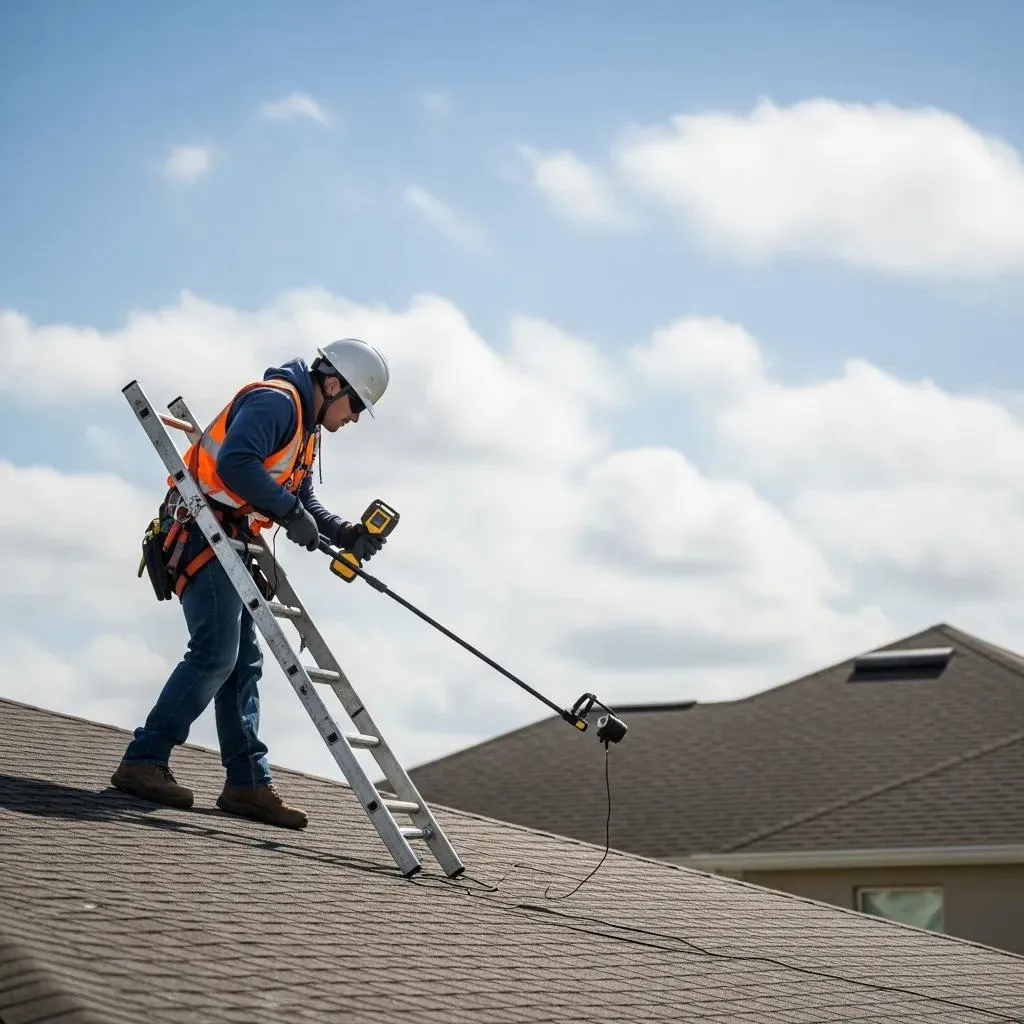
Comprehensive Florida Hurricane Roof Inspection and Damage Assessment
Hurricane roof inspections are crucial for homeowners in Florida, especially given the state’s vulnerability to severe storms. These inspections not only assess potential damage but also help in planning necessary repairs to ensure the safety and longevity of your roof. In this article, we will explore the techniques used for expert storm damage assessment, provide guidance on repairs, and discuss best practices for maintaining roof integrity during hurricane season. Understanding these aspects can significantly mitigate risks associated with hurricane damage and enhance your home’s resilience against future storms.
Expert Storm Damage Assessment Techniques
Effective storm damage assessment techniques are essential for identifying vulnerabilities in roofs after a hurricane. These assessments typically involve visual inspection methods, which allow professionals to document visible damage and potential weaknesses. The importance of thorough documentation cannot be overstated, as it serves as a critical reference for insurance claims and repair planning. Identifying vulnerabilities early can prevent more extensive damage and costly repairs down the line.
Visual Inspection Methods
Visual inspections are the first step in assessing storm damage. Professionals look for missing shingles, damaged flashing, and other visible signs of wear. This method is crucial for determining the immediate needs of the roof and prioritizing repairs.
Documentation Importance
Proper documentation during inspections is vital. It provides a clear record of the roof’s condition before and after the storm, which is essential for insurance claims. Homeowners should ensure that all findings are documented with photographs and detailed notes.
Identification of Vulnerabilities
Identifying vulnerabilities involves looking beyond visible damage. Inspectors assess the roof’s overall structure, including the integrity of the decking and underlayment. This comprehensive approach helps in understanding the full extent of potential issues.
Understanding the full extent of damage often involves categorizing the severity of roof damage, which can range from minor to severe, impacting the recovery process.
Post-Hurricane Roof Damage Assessment & Repair in Florida
of roof damaged); (5) moderate damage (15–50 per cent of roof damaged); (6) severe damage (>50 per cent of roof damaged). The recovery of Punta Gorda’s housing stock was assessed based on the initial damage assessment and the issuance of building permits for repair or reconstruction.
Quantitative assessment of post‐disaster housing recovery: A case study of Punta Gorda, Florida, after hurricane charley, R Davidson, 2013
Repair Guidance
Once the assessment is complete, homeowners need clear guidance on how to proceed with repairs. Immediate repairs are often necessary to prevent further damage, while long-term solutions should be considered for lasting protection.
- Immediate Repairs Needed: After a storm, it is crucial to address any leaks or structural issues as soon as possible. This may involve patching holes or replacing missing shingles to prevent water intrusion.
- Material Selection for Repairs: Choosing the right materials for repairs is essential. Homeowners should consider durable options that can withstand Florida’s harsh weather conditions, such as impact-resistant shingles.
- Professional Coordination for Insurance Claims: Working with professionals who understand the insurance process can streamline repairs. They can assist in documenting damage and communicating with insurance adjusters to ensure that claims are processed efficiently.
American Masters Roofing and Restoration specializes in hurricane roof inspections and offers free consultations to help homeowners navigate the complexities of storm damage assessment and repair. Their expertise ensures that you receive the best guidance tailored to Florida’s unique climate challenges.
Best Practices for Maintaining Roof Integrity During Hurricane Season
Maintaining roof integrity is vital for homeowners in Florida, especially during hurricane season. Implementing best practices can significantly reduce the risk of damage and extend the lifespan of your roof.
- Pre-Season Inspections: Conducting a thorough inspection before hurricane season begins can identify potential issues that need addressing. This proactive approach can save homeowners from costly repairs later.
- Gutter Maintenance: Keeping gutters clean and free of debris is essential for proper drainage. Clogged gutters can lead to water pooling on the roof, increasing the risk of leaks and structural damage.
- Debris Management: Regularly removing debris from the roof and surrounding areas can prevent damage during storms. Overhanging branches should be trimmed to reduce the risk of them falling on the roof during high winds.
By following these best practices, homeowners can enhance their roof’s resilience against hurricanes. American Masters Roofing and Restoration emphasizes the importance of regular inspections and maintenance to ensure that roofs remain in optimal condition.
When Should You Schedule a Hurricane Roof Inspection in Florida?
Scheduling a hurricane roof inspection at the right time is crucial for effective damage assessment and repair planning. Understanding seasonal considerations and signs of damage can help homeowners make informed decisions.
Seasonal Considerations
Homeowners should consider scheduling inspections before the hurricane season begins, typically in late spring. This timing allows for any necessary repairs to be completed before storms arrive.
Signs of Damage
After a storm, homeowners should be vigilant for signs of damage, such as leaks, missing shingles, or visible sagging. If any of these signs are present, an inspection should be scheduled immediately.
Recommended Timelines for Inspections
It is advisable to have a roof inspection conducted at least once a year, with additional inspections following significant storms. This regular maintenance can help catch issues early and prevent more extensive damage.
How Soon After a Hurricane Is a Roof Inspection Recommended?
After a hurricane, it is recommended to schedule a roof inspection as soon as it is safe to do so. Delaying this inspection can lead to further damage and complicate insurance claims.
What Are the Risks of Delaying Post-Storm Roof Assessment?
Delaying a post-storm roof assessment can result in increased damage, higher repair costs, and complications with insurance claims. Homeowners may face additional risks, such as mold growth and structural instability, if issues are not addressed promptly.
What Does a Thorough Hurricane Roof Inspection Include?
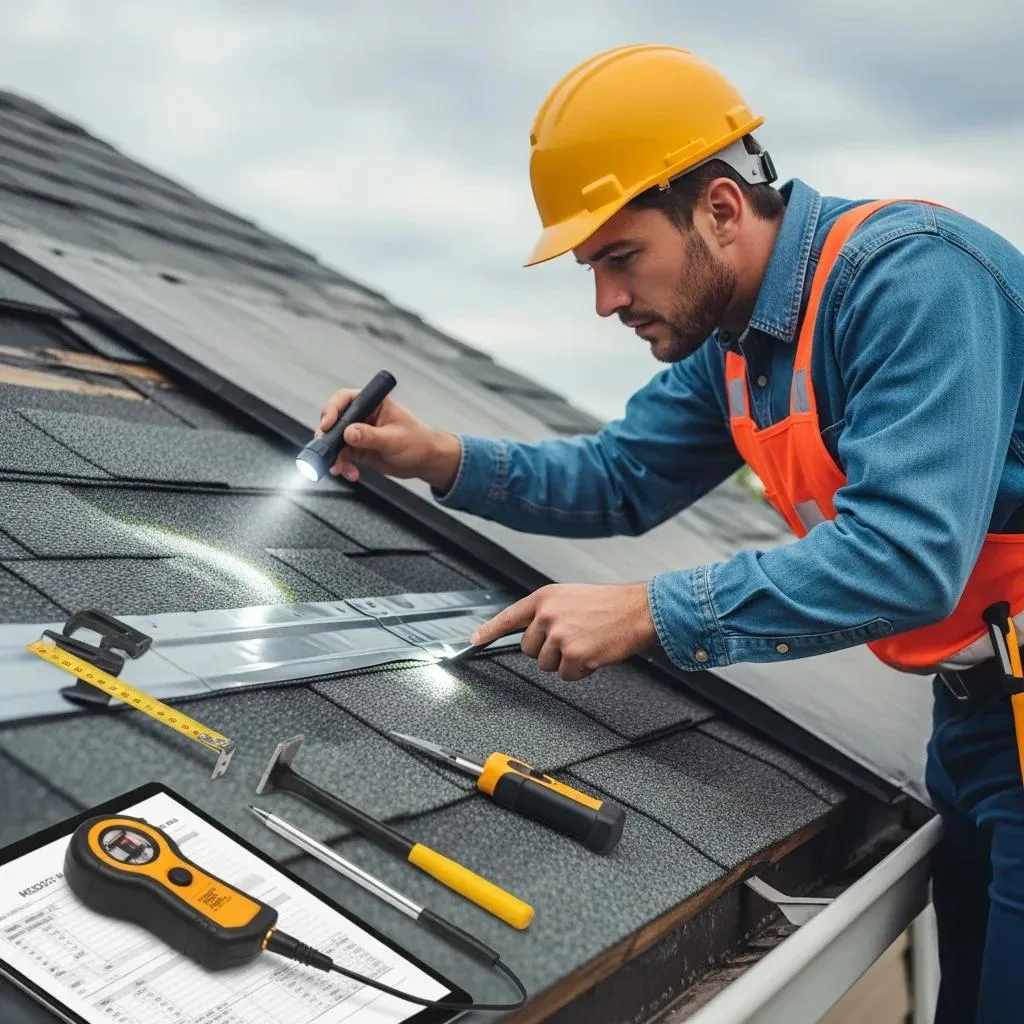
A thorough hurricane roof inspection includes several key components to ensure a comprehensive assessment of the roof’s condition. Inspectors will evaluate the roof’s surface, structure, and drainage systems.
Which Roof Damage Signs Are Identified During Inspection?
During an inspection, several signs of damage may be identified, including:
- Missing or Damaged Shingles: Indicating potential leaks and structural issues.
- Damaged Flashing: Which can lead to water intrusion.
- Sagging Areas: Suggesting underlying structural problems.
How Is the Roof Inspection Process Conducted Step-by-Step?
The roof inspection process typically follows these steps:
- Initial Assessment: Inspectors begin with a visual assessment of the roof’s exterior.
- Detailed Inspection: A closer examination of shingles, flashing, and structural components follows.
- Documentation: All findings are documented for reference and insurance purposes.
How Can Florida Homeowners Navigate Insurance Claims for Roof Damage?
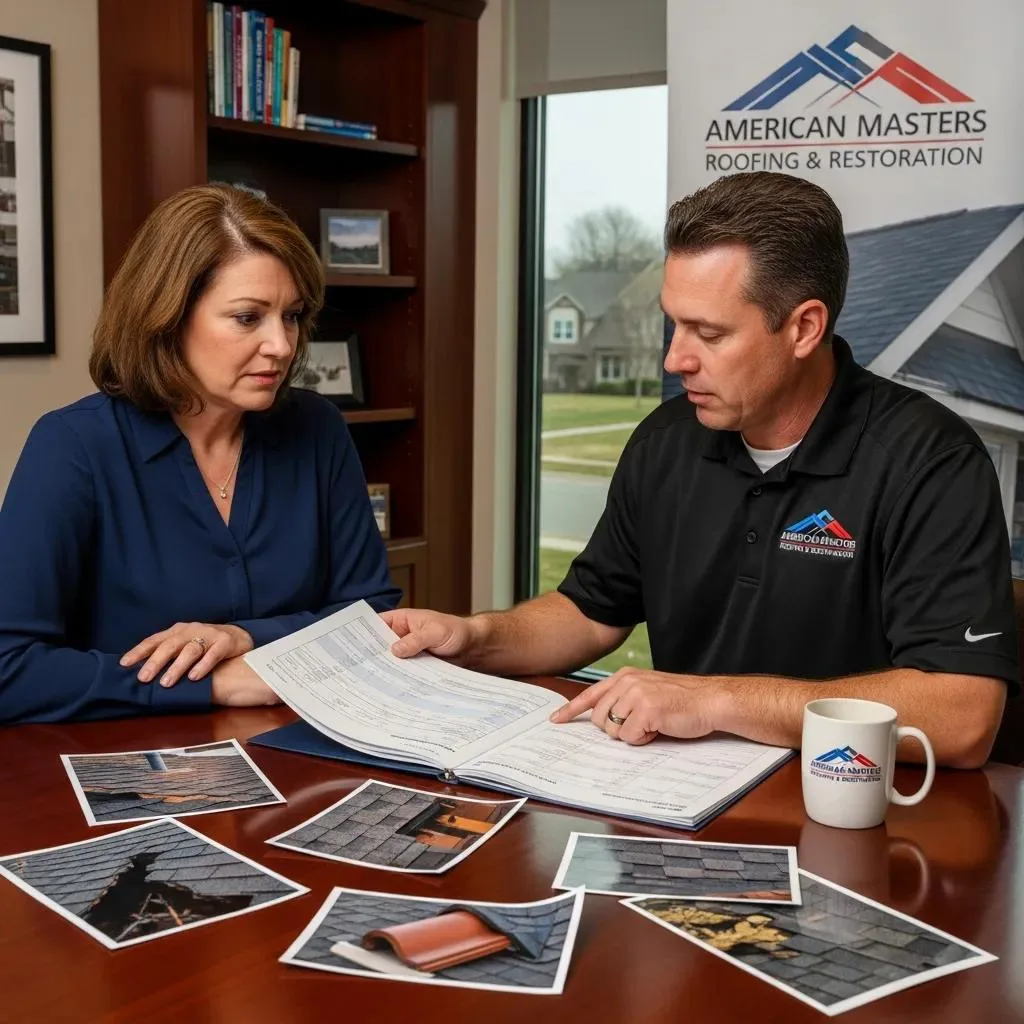
Navigating insurance claims for roof damage can be complex, but understanding the process can help homeowners secure the necessary funds for repairs.
What Documentation Is Needed for Insurance Claim Assistance?
Homeowners should gather all relevant documentation, including inspection reports, photographs of damage, and any correspondence with contractors. This information is crucial for supporting claims.
How Does American Masters Roofing Support Insurance Claims?
American Masters Roofing and Restoration assists homeowners in navigating the insurance claims process by providing detailed documentation and expert advice. Their experience ensures that claims are handled efficiently, maximizing the chances of approval.
What Emergency Roof Repair Services Are Available After a Hurricane?
Emergency roof repair services are essential for addressing immediate issues following a hurricane. These services can prevent further damage and ensure the safety of the home.
When Is Emergency Roof Repair Necessary Following Storm Damage?
Emergency roof repair is necessary when there are visible leaks, significant structural damage, or when the roof is compromised. Homeowners should act quickly to mitigate risks.
How Does Rapid Repair Mitigate Further Roof Damage?
Rapid repair services can significantly reduce the extent of damage by addressing issues promptly. This proactive approach not only protects the home but also helps in maintaining the integrity of the roof.
How Should You Maintain Your Roof After a Hurricane Inspection?
Post-inspection maintenance is crucial for ensuring the longevity of your roof. Homeowners should follow recommended practices to keep their roofs in optimal condition.
What Are Best Practices for Post-Storm Roof Maintenance in Florida?
Best practices for post-storm roof maintenance include:
- Regular Inspections: Schedule inspections after major storms to catch any new issues.
- Prompt Repairs: Address any identified issues immediately to prevent further damage.
- Routine Cleaning: Keep the roof and gutters clean to ensure proper drainage.
How Often Should Roof Inspections Be Scheduled After Initial Storm Assessment?
After an initial storm assessment, it is advisable to schedule follow-up inspections every six months or after significant weather events. This regular maintenance can help identify and address issues before they escalate.