


Emergency Roof Tarping Florida
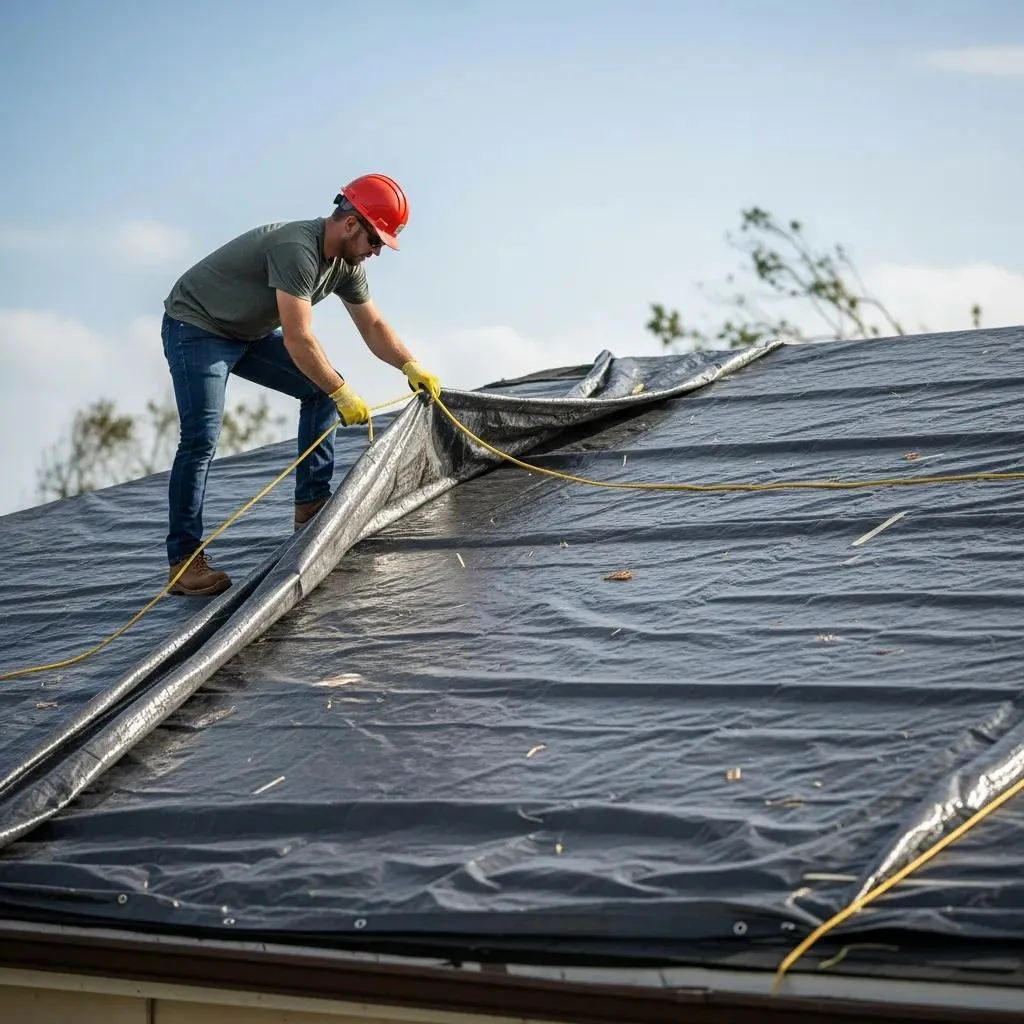
Emergency Roof Tarping in Florida: Storm Protection Guide
In Florida, where hurricanes and severe storms are a common threat, emergency roof tarping is a crucial service for homeowners. This guide will explore the importance of emergency roof tarping, the methods used, and the materials involved in protecting homes from storm damage. Homeowners often face the daunting task of securing their properties quickly after a storm, and understanding the process can alleviate some of the stress associated with these emergencies. This article will cover various aspects of emergency roof tarping, including temporary protection methods, hurricane damage repair techniques, materials used, installation processes, safety considerations, and additional tips for homeowners.
Emergency Roof Tarping Guide for Florida
Emergency roof tarping is a temporary solution designed to protect homes from further damage after a storm or hurricane. This method involves covering damaged areas of the roof with tarps to prevent water intrusion and additional structural damage. In hurricane-prone areas like Florida, timely tarping can significantly reduce repair costs and protect the interior of the home from water damage. Homeowners should be aware of the benefits of emergency roof tarping, including its ability to provide immediate protection and its role in facilitating insurance claims for storm damage.
1. Temporary Roof Protection Methods
There are several methods for providing temporary roof protection, each with its own advantages. The primary method is tarping, which involves covering the damaged area with a durable tarp. Other methods include temporary flashing techniques and debris removal, which are essential for ensuring that the tarp remains effective.
- Tarping: This is the most common method, where heavy-duty tarps are secured over the damaged areas to prevent water from entering the home.
- Temporary Flashing: This technique involves using materials to redirect water away from vulnerable areas of the roof, complementing the tarp’s effectiveness.
- Debris Removal: Clearing debris from the roof is crucial to ensure that the tarp can be applied effectively and to prevent further damage.
These methods work together to provide a comprehensive approach to temporary roof protection, ensuring that homes remain safe until permanent repairs can be made.
2. Hurricane Damage Repair Techniques
Repairing hurricane damage requires a systematic approach to ensure that all issues are addressed effectively. The initial assessment is critical, as it helps identify the extent of the damage and the necessary repairs.
- Initial Assessment: Homeowners should conduct a thorough inspection of their roofs to identify visible damage and potential leaks.
- Emergency Stabilization: This involves securing loose shingles and reinforcing weakened areas to prevent further damage during subsequent storms.
- Documentation for Insurance Claims: Keeping detailed records of the damage and repairs is essential for filing insurance claims, ensuring that homeowners receive the compensation they deserve.
These techniques not only help in managing immediate damage but also play a vital role in the long-term restoration of the home.
3. Materials Used
The materials used for emergency roof tarping are crucial for ensuring effective protection. Understanding the different types of tarps and their purposes can help homeowners make informed decisions.
Using the right materials can significantly enhance the effectiveness of emergency roof tarping, providing peace of mind to homeowners during storm season.
4. Installation Processes
The installation of roof tarps must be done carefully to ensure maximum protection. Safety considerations are paramount during this process.
- Safety Considerations: Homeowners should prioritize their safety by using proper equipment and ensuring that the area is secure before attempting to install a tarp.
- Step-by-Step Tarp Installation: The process typically involves measuring the damaged area, cutting the tarp to size, and securely fastening it in place.
- Temporary Flashing Installation: This should be done alongside tarping to ensure that water is effectively redirected away from vulnerable areas.
Following these steps can help ensure that the tarp is installed correctly and provides the necessary protection against the elements.
5. Safety Considerations
When dealing with emergency roof tarping, safety should always be the top priority. Homeowners should take the following precautions:
- Personal Safety Tips: Always wear appropriate safety gear, including gloves and non-slip shoes, when working on roofs.
- Structural Integrity Checks: Before climbing onto the roof, ensure that it is safe to do so and that there are no additional hazards.
- Documentation for Insurance: Take photos of the damage and the installation process to support insurance claims.
By adhering to these safety measures, homeowners can protect themselves while addressing urgent roofing needs.
6. Additional Tips
In addition to the primary methods and safety considerations, homeowners should keep the following tips in mind:
- Emergency Contacts for Repairs: Have a list of reliable roofing contractors who can provide emergency services after a storm.
- Insurance Communication Tips: Be proactive in communicating with your insurance provider about the damage and the steps you are taking to mitigate further issues.
- Regular Maintenance Reminders: Schedule regular roof inspections to identify potential issues before they become major problems.
These additional tips can help homeowners navigate the complexities of emergency roof tarping and ensure that they are prepared for future storms.
What Is Emergency Roof Tarping and Why Is It Essential in Florida?
Emergency roof tarping is a critical service that provides immediate protection for homes after storm damage. In Florida, where hurricanes are frequent, having a reliable tarping solution can prevent extensive water damage and costly repairs. The process involves covering damaged areas with durable tarps to shield the interior from rain and debris. This temporary measure is essential for maintaining the integrity of the home until permanent repairs can be made.
How Does Emergency Roof Tarping Protect Against Hurricane and Storm Damage?
Emergency roof tarping acts as a barrier against rain and wind, preventing water from entering the home and causing further damage. By quickly covering exposed areas, homeowners can mitigate the risk of mold growth and structural deterioration. This protective measure is especially important in Florida, where heavy rains can occur following a hurricane, making timely tarping crucial for preserving the home’s condition.
When Should Homeowners Seek Emergency Roof Tarping Services in Florida?
Homeowners should seek emergency roof tarping services immediately after a storm or hurricane has caused visible damage to their roofs. Signs that tarping is necessary include missing shingles, leaks, or visible holes in the roof. The sooner homeowners act, the better they can protect their homes from further damage and reduce repair costs.
How Is Roof Tarp Installation Performed in Florida’s Unique Climate?
Roof tarp installation in Florida requires consideration of the state’s unique climate conditions, including high humidity and frequent storms. The installation process typically involves selecting high-quality, weather-resistant tarps and ensuring that they are securely fastened to withstand strong winds and heavy rain. Proper installation techniques are essential to ensure that the tarp remains effective throughout the storm season.
What Materials and Techniques Are Used for Temporary Roof Protection?
Temporary roof protection involves using specific materials designed to withstand harsh weather conditions. Heavy-duty tarps, temporary flashing, and secure fasteners are commonly used to create a reliable barrier against the elements. Techniques such as proper installation and regular maintenance of the tarps are also crucial for ensuring their effectiveness.
How Quickly Can Emergency Roof Tarping Be Installed After Storm Damage?
Emergency roof tarping can typically be installed within 24-48 hours after storm damage is assessed. The speed of installation depends on the availability of materials and the severity of the damage. Homeowners should act quickly to secure tarping services to minimize further damage to their homes.
What Are the Costs and Pricing Factors for Emergency Roof Tarping in Florida?
The costs associated with emergency roof tarping can vary based on several factors, including the size of the damaged area, the materials used, and the complexity of the installation. On average, homeowners can expect to pay between $300 and $600 for emergency tarping services. Factors such as the urgency of the service and the contractor’s experience can also influence pricing.
Which Factors Influence Roof Tarping Costs and Estimates?
Several factors can influence the costs of roof tarping, including:
- Size of the Area: Larger areas will require more materials and labor, increasing costs.
- Material Quality: Higher-quality tarps and fasteners may come at a premium but offer better protection.
- Labor Costs: The experience and reputation of the contractor can affect pricing.
Understanding these factors can help homeowners budget for emergency roof tarping services effectively.
Does Insurance Typically Cover Emergency Roof Tarping Services?
Many homeowners’ insurance policies cover emergency roof tarping services as part of their storm damage protection. However, coverage can vary based on the policy and the specific circumstances of the damage. Homeowners should review their insurance policies and consult with their providers to understand their coverage options.
How to Choose a Reliable Emergency Roof Tarping Contractor in Florida?
Choosing a reliable contractor for emergency roof tarping involves several considerations:
- Experience and Credentials: Look for contractors with a proven track record in emergency roofing services.
- Insurance and Licensing: Ensure that the contractor is properly licensed and insured to protect against liability.
- Customer Reviews: Check online reviews and testimonials to gauge the contractor’s reputation and quality of service.
By taking these factors into account, homeowners can select a contractor who will provide effective and timely tarping services.
What Credentials and Experience Should You Look for in a Roofing Contractor?
When selecting a roofing contractor for emergency tarping, homeowners should look for:
- Licensing: Ensure the contractor is licensed to operate in Florida.
- Insurance: Verify that the contractor has liability insurance and workers’ compensation coverage.
- Experience: Choose contractors with experience in emergency roof tarping and storm damage repair.
These credentials can provide peace of mind that the contractor is qualified to handle the job effectively.
Why Is American Masters Roofing and Restoration a Trusted Choice for Emergency Services?
American Masters Roofing and Restoration is a trusted choice for emergency roof tarping services in Florida due to its commitment to quality and customer satisfaction. With a team of experienced professionals, the company offers prompt and reliable services to protect homes from storm damage. Their expertise in emergency roofing solutions ensures that homeowners receive the best possible care during critical situations.
What Are the Best Practices for Temporary Roof Repair After Hurricane Damage?
Best practices for temporary roof repair after hurricane damage include:
- Immediate Assessment: Quickly evaluate the extent of the damage to determine the necessary repairs.
- Secure Tarp Installation: Ensure that tarps are installed correctly to provide effective protection.
- Documentation for Insurance: Keep detailed records of the damage and repairs to support insurance claims.
Following these practices can help homeowners manage the aftermath of a hurricane effectively.
How Long Can a Roof Tarp Safely Remain on a Damaged Roof?
A roof tarp can safely remain on a damaged roof for several weeks to a few months, depending on the material and weather conditions. However, it is essential to monitor the tarp regularly for signs of wear and tear. Homeowners should plan for permanent repairs as soon as possible to avoid prolonged exposure to the elements.
What Steps Follow Emergency Tarping for Permanent Roof Repair?
After emergency tarping, homeowners should take the following steps for permanent roof repair:
- Schedule a Professional Inspection: Have a qualified contractor assess the damage and recommend repairs.
- File Insurance Claims: Submit documentation of the damage and repairs to your insurance provider.
- Plan for Repairs: Work with a contractor to schedule permanent repairs to restore the roof’s integrity.
These steps will help ensure that the home is fully restored and protected against future storms.
Where Can Florida Residents Find Emergency Roof Tarping Services and Free Inspections?
Florida residents can find emergency roof tarping services through local roofing contractors and restoration companies. Many companies offer free inspections to assess storm damage and provide estimates for tarping and repairs. Homeowners should research local providers and read reviews to find reputable services in their area.
How to Schedule a Free Roof Inspection and Consultation?
To schedule a free roof inspection and consultation, homeowners can:
- Contact Local Contractors: Reach out to roofing companies in your area to inquire about free inspection services.
- Provide Details: Share information about the storm damage and any visible issues with your roof.
- Set an Appointment: Arrange a convenient time for the contractor to conduct the inspection.
This proactive approach can help homeowners address storm damage quickly and effectively.
What Areas in Florida Are Served by Emergency Roof Tarping Specialists?
Emergency roof tarping specialists serve various areas across Florida, particularly in regions prone to hurricanes and severe storms. Homeowners should check with local contractors to confirm their service areas and ensure timely assistance during emergencies.