


Florida Hurricane Roof Preparedness Guide
Florida Hurricane Roof Preparedness Guide
Hurricane season is a significant risk for Florida properties. This guide gives concise, practical steps for inspecting, reinforcing, and maintaining roofs, plus safety, emergency planning, and documentation advice to support recovery and insurance claims.
1. Pre-Hurricane Season Inspection
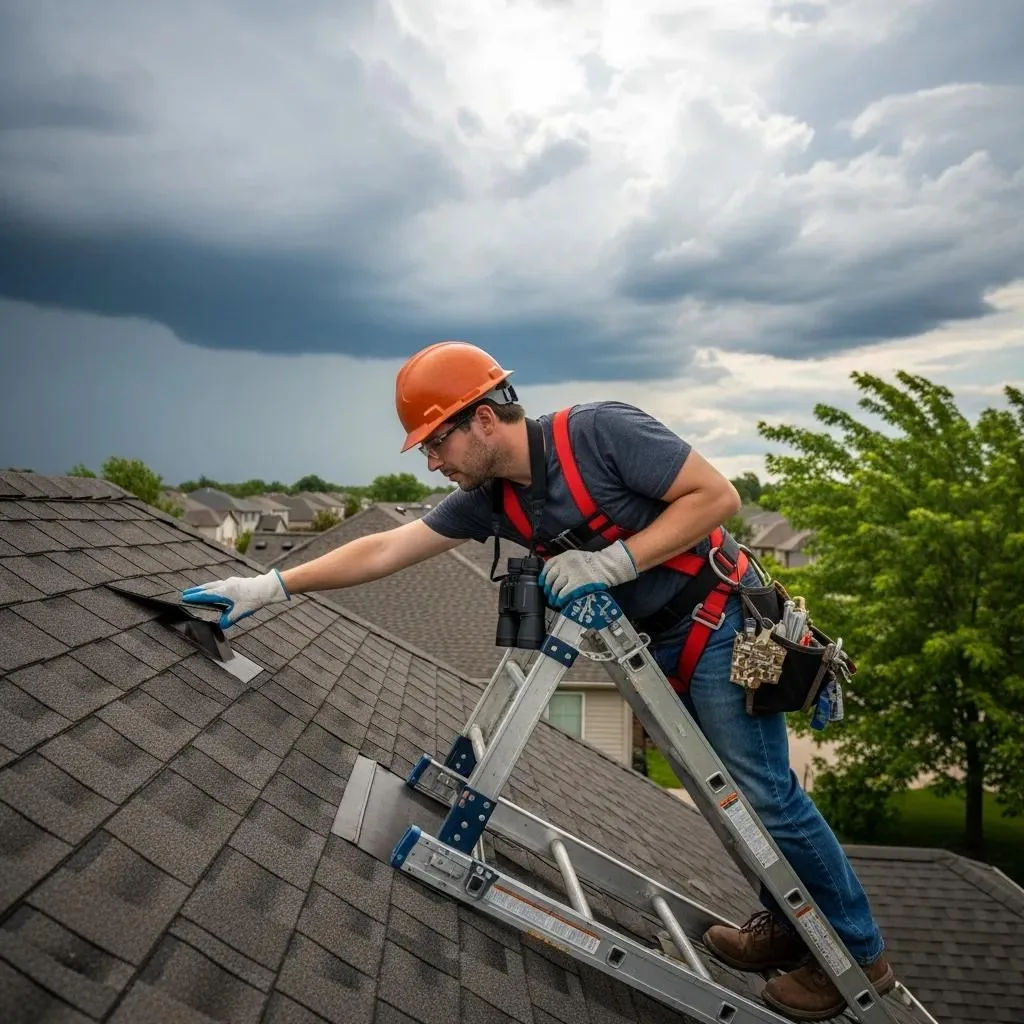
Conduct a systematic pre-season check for missing or loose shingles, damaged flashing, clogged gutters, and compromised roof-to-wall connections. Fix small defects early to prevent larger failures during storms.
2. Reinforcement Techniques
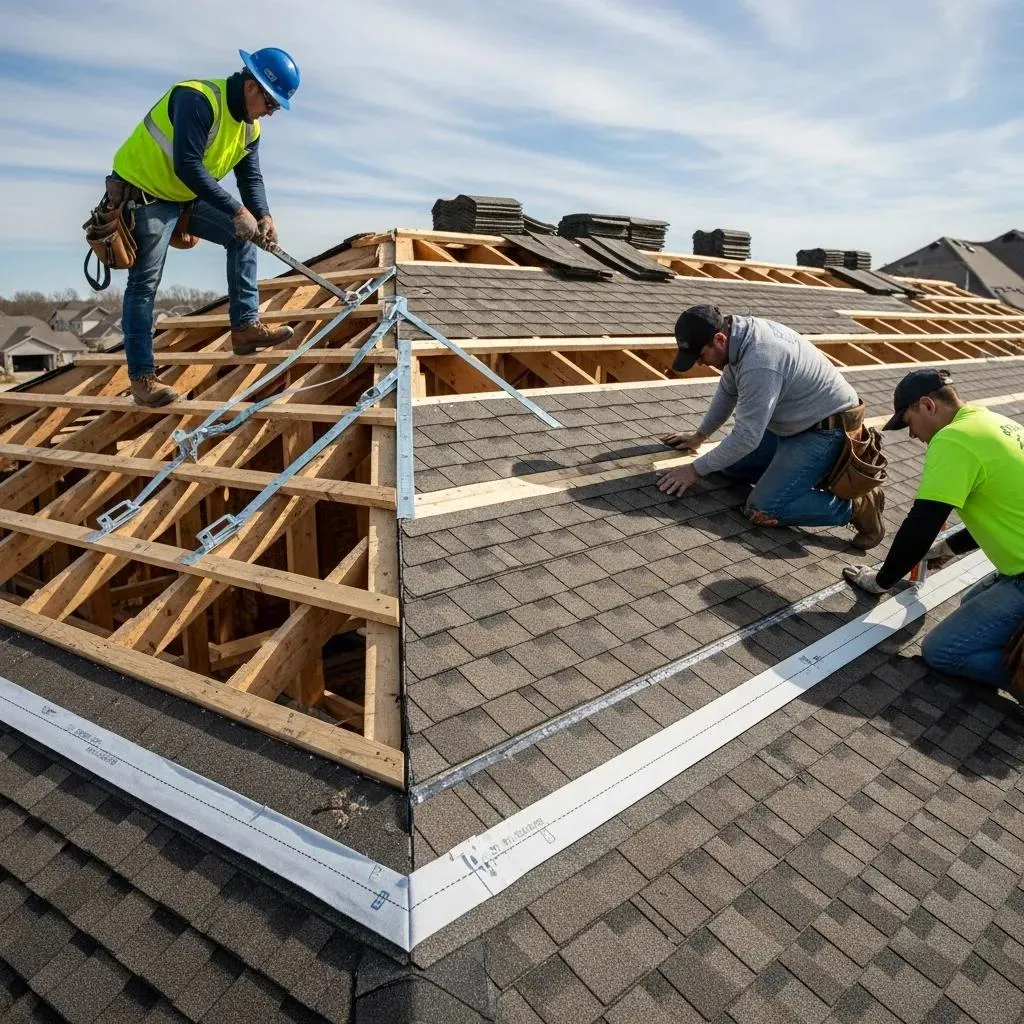
Strengthening attachment points and using high-wind components reduces uplift and structural damage.
Research further emphasizes the critical role of robust roof repair to-wall connections in preventing roof uplift during severe weather events.
Florida Hurricane Roof Uplift Prevention
The referenced study examines hurricane loss patterns across Florida regions and highlights the importance of roof-to-wall (R2W) connections in preventing roof uplift.
Hurricane risk analysis of the residential structures located in Florida, G Kakareko, 2020
- Install Hurricane Straps: Fit metal connectors to secure the roof to wall framing.
- Use High-Wind Rated Materials: Select impact-resistant shingles, metal roofing, or other tested products.
- Follow Proper Installation: Adhere to manufacturer fastening and overlap specifications to preserve warranty and performance.
Studies confirm the effectiveness of various roof-to-wall connection methods, including hurricane straps, in providing reliable shear strength against hurricane wind loads.
Hurricane Roof-to-Wall Connection Reinforcement
The study reports that common roof-to-wall connections—such as toenails, hurricane straps, and hurricane clips—exhibit shear strength with an R2 value of 0.9237, indicating a reliable fit close to unity.
Fiber reinforced polymer as wood roof-to-wall connections to withstand hurricane wind loads, A Parvin, 2021
Correctly applied reinforcements significantly lower the chance of roof repair failure in high winds.
3. Recommended Materials
Choose materials rated for your local wind zone and impact exposure; durable products protect the roof deck and underlayment during storms.
- Impact-Resistant Shingles: Better resistance to debris and wind uplift.
- Reflective Coatings: Reduce heat and can extend material life.
- Synthetic Underlayments: Improved water resistance compared with felt.
Select products that meet local wind-resistance codes and manufacturer installation instructions to maximize performance.
4. Safety Measures
Prioritise personal safety: use fall protection, keep ladders stable, and avoid risky rooftop work during adverse conditions.
- Use a Sturdy Ladder: Place on level ground and secure the base.
- Wear Safety Gear: Use helmets, gloves, and harnesses where appropriate.
- Document Damage Safely: Photograph issues from safe positions rather than exposing yourself to hazards.
Safe inspections let you assess roof condition without increasing injury risk.
5. Clearing Debris
Clean gutters and remove loose debris before storms to maintain drainage and reduce water intrusion risk.
- Clear Gutters and Downspouts: Remove leaves and blockages for proper flow.
- Trim Overhanging Branches: Reduce the chance of falling limbs during high winds.
Regular debris control supports roof function and limits water-related damage.
6. Emergency Preparedness Plan
Prepare a concise plan for post-storm response to speed repairs and protect occupants.
- List Local Contractors: Keep contact details for trusted roofers for emergency repairs.
- Home Security Plan: Secure windows and doors to limit interior damage.
- Prepare for Quick Repairs: Store tarps, roofing cement, and basic fasteners for temporary fixes.
Preparedness enables faster, organised responses and better protection after a storm.
American Masters Roofing and Restoration specialises in roof repair, replacement, and storm-damage restoration in Florida and offers free inspections to assess hurricane readiness.
7. Documentation for Insurance Claims
Keep clear records to support any claim: photos, communication logs, and pre-storm condition records are essential.
- Take Clear Photographs: Capture damage from multiple angles before and after repairs.
- Keep Records of Communications: Log calls, emails, and contractor estimates.
- Document Pre-Storm Conditions: Retain prior inspection or maintenance records to show baseline condition.
An analysis of prior hurricane events, including Hurricane Michael, identifies specific building design elements that materially affect insurance outcomes for roof damage.
Hurricane Michael Roof Damage & Insurance Claims
The analysis indicates that building design variables influencing insurance claims after Hurricane Michael include roof deck construction, opening protection type, and roof shape.
Residential Wind Loss Mitigation Case Study: An Analysis of Insurance Claim Data for Hurricane Michael, A Grant, 2023
Well-documented evidence improves the likelihood of a smooth claim process.
8. Professional Inspection
Use a qualified roofing inspector for a technical evaluation and written report that can guide repairs and support insurance claims.
- Identify Hidden Damage: Professionals detect issues that may not be obvious on casual inspection.
- Ensure Code Compliance: Inspectors verify that repairs meet local building requirements.
A professional report clarifies required actions and helps plan durable repairs.
9. Regular Maintenance
Routine maintenance extends roof life and reduces failure risk. Schedule checks and prompt repairs.
- Schedule Routine Maintenance: Inspect seasonally and after major storms.
- Catch Minor Issues Early: Small repairs prevent larger, costlier damage.
Consistent upkeep preserves integrity and lowers lifecycle costs.
10. Understanding Building Codes
Know local roofing and wind-resistance codes to ensure compliant repairs and avoid insurance disputes.
- Understand Wind Resistance Codes: Verify product ratings and installation methods for your area.
- Ensure Compliance for Repairs: Use licensed contractors who follow current codes.
Compliance informs correct material and installation choices for reliable performance.
Frequently Asked Questions
What should I do if I find damage during my pre-hurricane inspection?
Photograph the damage, apply temporary protection if safe (tarps or roofing cement), and arrange a professional assessment to document repairs for insurance.
How often should I conduct roof inspections?
Inspect at least twice a year—normally spring and fall—and after major weather events to catch issues early.
What are the benefits of using impact-resistant shingles?
They resist wind-borne debris and often last longer than standard shingles; they can also reduce damage risk during storms.
How can I prepare my home for a hurricane beyond roof maintenance?
Secure windows and doors with shutters or plywood, store loose outdoor items, assemble an emergency kit, and confirm evacuation plans.
What should I include in my emergency preparedness plan?
List contractors, outline home security steps, identify temporary repair materials (tarps, cement), and ensure all household members understand the plan.
How do I choose a reliable roofing contractor for emergency repairs?
Check reviews and references, confirm licensure and insurance, obtain multiple quotes, and verify experience with hurricane-related repairs and local codes.
What documentation do I need for insurance claims after roof damage?
Provide clear before-and-after photos, keep all communications and contractor estimates, and include prior inspection or repair records showing pre-storm condition.
Conclusion
Preparing your roof before hurricane season reduces risk to property and occupants. Combine regular inspections, targeted reinforcements, appropriate materials, and documented professional assessments to protect your home and support any insurance claims.