


How Long Does a Roof Last in South Florida?
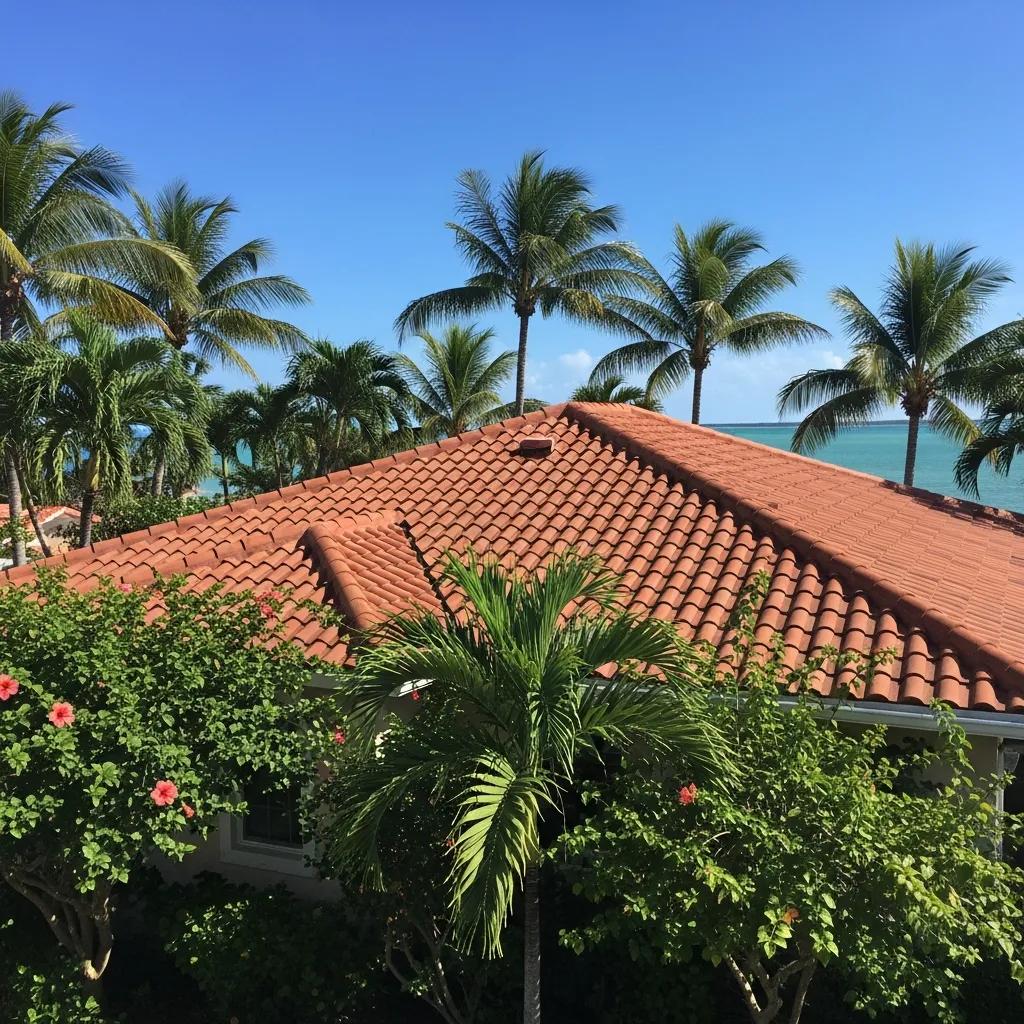
How Long Do Roofs in South Florida Last? Lifespan & Maintenance Guide
Understanding the lifespan of a roof in South Florida is crucial for homeowners and property managers alike. The unique climate of this region, characterized by high humidity, intense heat, and frequent storms, significantly impacts roofing materials and their longevity. In this article, we will explore the average lifespan of various roofing materials, the factors that influence their durability, and the best practices for maintenance. By the end, you will have a comprehensive understanding of how to ensure your roof remains in optimal condition, ultimately protecting your investment and enhancing your property’s value.
What Is the Average Roof Lifespan in South Florida?
The average lifespan of a roof in South Florida varies depending on the materials used and the maintenance practices employed. Generally, asphalt shingles last between 15 to 30 years, while metal roofing can endure for 40 to 70 years. Tile roofs, known for their durability, can last 50 years or more. Regular maintenance plays a critical role in extending these lifespans, as neglect can lead to premature deterioration. For homeowners seeking to maximize their roof’s lifespan, scheduling regular inspections and maintenance is essential. American Masters Roofing and Restoration offers free inspections to help identify potential issues before they escalate.
How Do Roofing Materials Affect Longevity in Florida’s Climate?
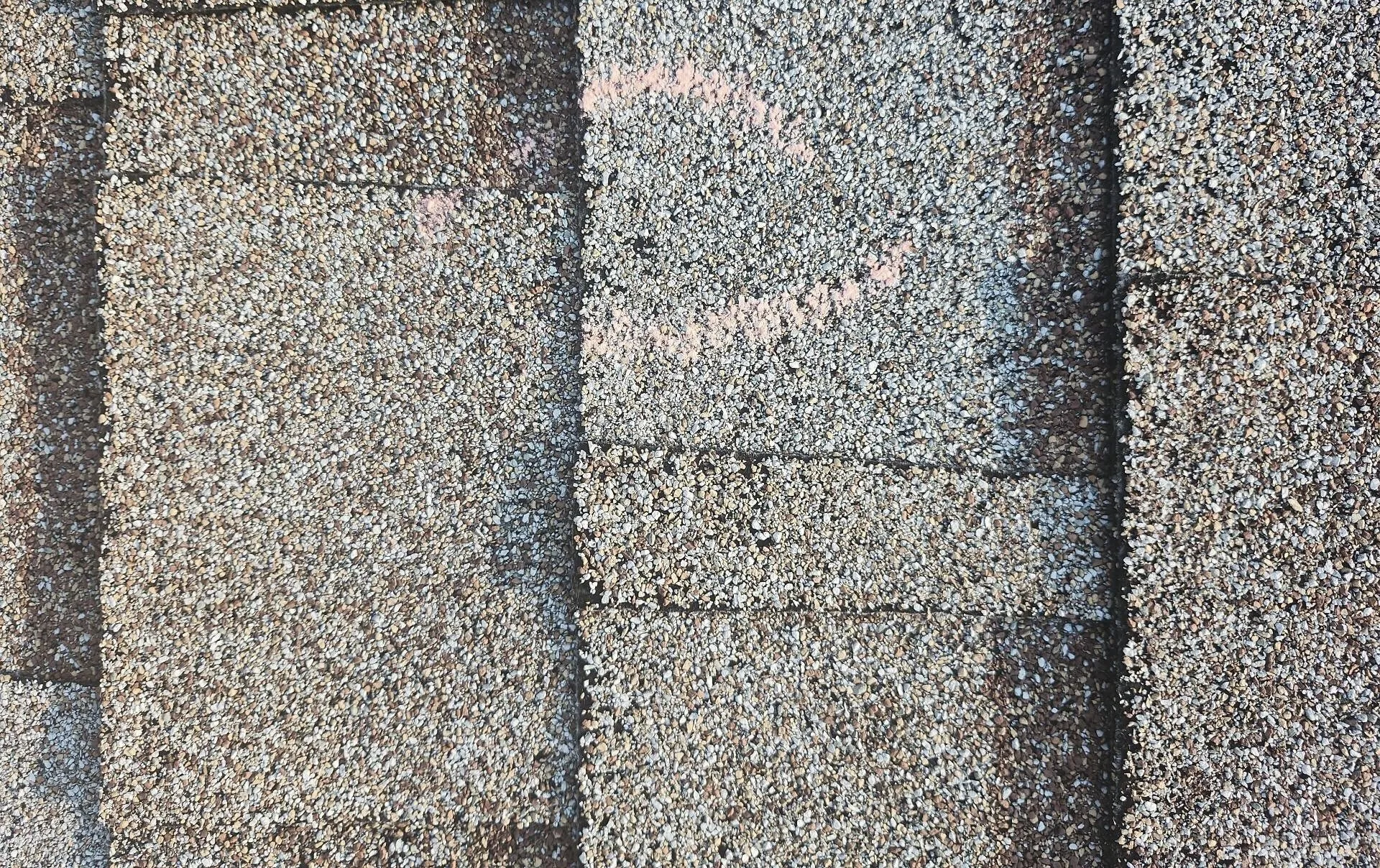
Different roofing materials respond uniquely to Florida’s climate, which is marked by high humidity and intense sun exposure. For instance, metal roofing is highly resistant to heat and moisture, making it a durable choice for the region. In contrast, asphalt shingles may degrade faster due to UV exposure and humidity, necessitating more frequent replacements. Understanding these differences can help homeowners make informed decisions about their roofing options.
This table illustrates the expected lifespans and durability levels of common roofing materials, highlighting the importance of selecting the right type for South Florida’s climate.
What Are the Typical Lifespan Ranges for Common Roofing Materials?
When considering roofing options, it’s essential to understand the typical lifespan ranges for various materials. Here are some common roofing materials and their expected lifespans:
- Asphalt Shingles: 15-30 years
- Metal Roofing: 40-70 years
- Clay and Concrete Tiles: 50+ years
- Slate Roofing: Over 100 years
These ranges can vary based on factors such as installation quality, maintenance, and environmental conditions. Homeowners should consider these factors when selecting roofing materials to ensure they choose the best option for their needs.
How Does South Florida Weather Impact Roof Durability?
The weather in South Florida poses unique challenges for roof durability. High humidity levels can lead to mold and mildew growth, which can compromise roofing materials. Additionally, the intense sun can cause materials to fade and deteriorate over time. Wind resistance is also a critical factor, as roofs must withstand the strong gusts that accompany storms. Homeowners should be aware of these weather-related impacts and take proactive measures to protect their roofs.
What Effects Do Hurricanes and Tropical Storms Have on Roofs?

Hurricanes and tropical storms can cause significant damage to roofs, leading to costly repairs or replacements. Common types of damage include:
- Wind Damage: High winds can lift shingles and tiles, exposing the underlying structure to water intrusion.
- Water Damage: Heavy rainfall can lead to leaks, especially if gutters are clogged or if the roof has pre-existing vulnerabilities.
- Debris Impact: Flying debris during storms can puncture or tear roofing materials.
Further research highlights the specific challenges posed by hurricane-force winds on roofing systems, particularly in areas like Miami-Dade.
Hurricane Wind Damage to Roofs in Miami-Dade, Florida
Hurricane winds can also cause damage to roof systems, including roof framing damage and wall collapses. Organizations, such as Miami-Dade County in Florida, have specific building codes to mitigate such damage.
Hurricane Damage to Residential Structures: Wind Damage Overview, 2024
The critical role of inspections in identifying and addressing water intrusion after severe weather events is also well-documented.
Roof Water Damage from Hurricanes in Florida
infrared surveys on buildings and roofs throughout the Southeast US have shown that inspections performed on buildings that have experienced water damage caused by hurricanes, summer climates, and other severe weather events are crucial.
Thermographic inspection of building and roof water intrusion in the state of Florida, 2008
To mitigate these risks, homeowners should schedule pre-storm inspections and consider reinforcing their roofs to withstand severe weather conditions.
How Do Heat, Humidity, and UV Exposure Influence Roof Lifespan?
Heat, humidity, and UV exposure are significant factors that influence roof lifespan in South Florida. The intense heat can cause roofing materials to expand and contract, leading to cracks and other forms of damage. Humidity can promote mold growth, which can weaken roofing materials over time. UV exposure can degrade the protective layers of roofing materials, leading to faster deterioration. Homeowners should consider these factors when selecting roofing materials and implementing maintenance practices.
Studies have further explored how roof solar reflectance can significantly impact internal temperatures and cooling energy consumption in Florida’s climate.
Roof Solar Reflectance & Temperature in Florida
Side-by-side testing of roofing structures was conducted to measure the underside roof deck temperature, attic air temperature and cooling energy use. The complete pre- and post-intervals at this site indicates a 3% reduction in cooling energy.
Roof solar reflectance and cooling energy use: field research results from Florida, 1997
When Should You Schedule Roof Inspections and Maintenance in Florida?
Regular roof inspections and maintenance are vital for extending the lifespan of a roof. Homeowners should consider scheduling inspections at least twice a year, ideally in the spring and fall. Additionally, inspections should be conducted after severe weather events, such as hurricanes or heavy storms. Signs that indicate the need for inspection include:
- Missing or damaged shingles
- Water stains on ceilings or walls
- Increased energy bills
By staying proactive with inspections, homeowners can address potential issues before they escalate into costly repairs.
What Are the Key Signs Your Roof Needs Replacement or Repair?
Identifying the signs that your roof needs replacement or repair is crucial for maintaining the integrity of your home. Key indicators include:
- Visible Damage: Cracked, curled, or missing shingles are clear signs of wear.
- Leaks: Water stains on ceilings or walls indicate potential leaks that need immediate attention.
- Age: If your roof is nearing the end of its expected lifespan, it may be time to consider replacement.
Addressing these issues promptly can prevent further damage and ensure the safety of your home.
How Often Should Roof Inspections Be Conducted in South Florida?
In South Florida, it is recommended to conduct roof inspections at least twice a year. Additionally, homeowners should schedule inspections after significant weather events, such as hurricanes or heavy rains. Regular inspections help identify potential issues early, allowing for timely repairs and maintenance. This proactive approach can significantly extend the lifespan of your roof and protect your investment.
What Are the Best Practices for Roof Replacement and Storm Damage Restoration in Florida?
When it comes to roof replacement and storm damage restoration, following best practices is essential for ensuring quality work and longevity. Key practices include:
- Choosing Quality Materials: Opt for materials that are specifically designed to withstand Florida’s climate.
- Hiring Experienced Contractors: Work with licensed and insured roofing professionals who understand local building codes and regulations.
- Regular Maintenance: Schedule routine inspections and maintenance to address minor issues before they become major problems.
By adhering to these best practices, homeowners can ensure their roofs are well-equipped to handle the challenges posed by South Florida’s climate.
How Does American Masters Roofing Support Roof Replacement and Restoration?
American Masters Roofing and Restoration specializes in roofing repair, replacement, and storm damage restoration services tailored for South Florida’s unique climate. They offer free inspections to help homeowners identify potential issues and provide emergency services for storm damage. Additionally, they assist with documentation for insurance claims, ensuring a smooth process for homeowners facing roof repairs.
What Roofing Materials Offer the Best Durability and Warranty in South Florida?
When selecting roofing materials, durability and warranty are critical considerations. Metal and tile roofs are often regarded as the most durable options, with warranties that can extend up to 50 years or more. Homeowners should also consider the manufacturer’s reputation and the specific warranty terms, as these can vary significantly. Investing in high-quality materials can provide peace of mind and long-term savings by reducing the need for frequent repairs or replacements.